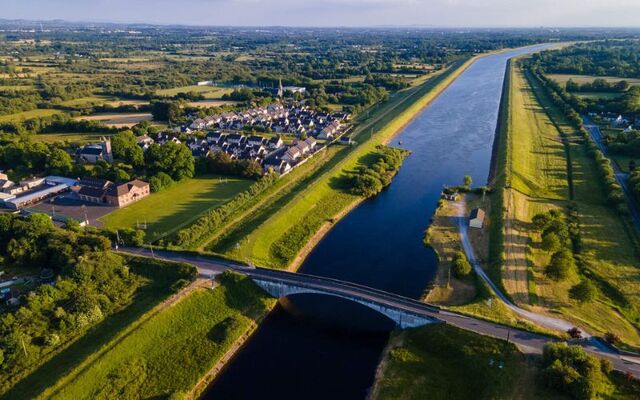
The Shannon Region stretches across five Irish counties, each layered with the remnants of Viking raids, medieval construction and monastic devotion. Visitors can walk among the carefully restored battlements of Bunratty Castle, explore the spiritual ruins of Clonmacnoise where monks established a holy city in 548 AD, and discover the prehistoric reconstructions of Craggaunowen that bring Ireland's ancient past vividly to life.
We dive into the fascinating past of Ireland's Shannon Region, which embraces counties Clare, North Kerry, Limerick, South Offaly, and North Tipperary.
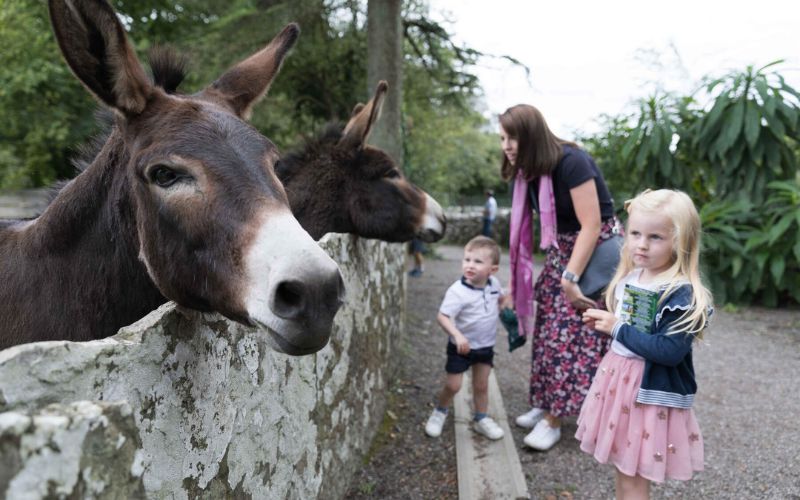
Bunratty Castle and Folk Park, Co Clare
Built in 1425, the restored castle is the most complete and authentic medieval castle in Ireland. Within its grounds is Bunratty Folk Park, where 19th-century Irish village lifestyle, traditions, and environment are faithfully recreated.

Bunratty Castle and Folk Park, Co Clare
The Michael Cusack Centre, Co Clare
The Gaelic Games of hurling and football are known around the Globe. Michael Cusack (1847/1906), founder of the Gaelic Athletic Association, was born in Carron, Co. Clare, and is here today, where you will find the Michael Cusack Center. A treasure chest of living history.
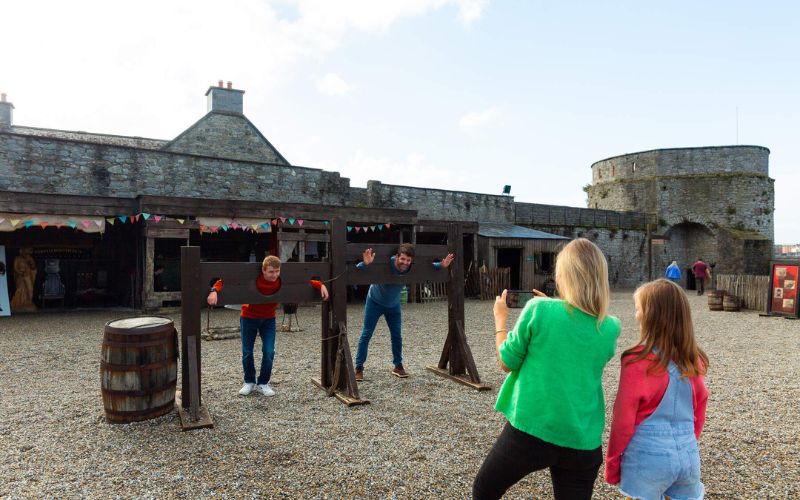
King John’s Castle, Co Limerick
This 13th-century castle, which dominates the medieval quarter of Limerick City, has been excavated, restored, and opened to reveal its Viking foundations - the fabric of the great fortress itself. An interpretative center provides an absorbing glimpse into the City’s turbulent times, rich heritage, and ancient past.
King John’s Castle, Co Limerick
Craggaunowen - the living past, Co Clare
Award-winning visitor attraction, set on 50 acres, interprets Ireland’s prehistoric and early Christian past. Life-size reconstructions in beautiful surroundings, based on archaeologists' discoveries, show how our ancestors lived.
Clonmacnoise, Co Offaly
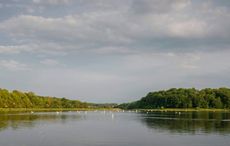
One of the most celebrated of Ireland’s holy places is situated ‘in a quiet, watered land’ on the banks of the River Shannon. This monastic city, founded by St. Ciaran in 548, is still a magnificent ecclesiastical site.
* Originally published in 2016. Updated in 2026.

Comments