Ireland's tourism authority has launched an ambitious new plan to grow revenue, create jobs and encourage visitors to explore beyond the country's most famous destinations. The strategy, unveiled this week by Minister for Enterprise, Tourism and Employment Peter Burke, sets out a roadmap for the next three years that will matter to anyone planning a trip home or a first visit to the Emerald Isle.
Fáilte Ireland, the national tourism development authority, announced its Corporate Strategy 2026-2029 on July 29, describing it as a focused program to drive sustainable growth, strengthen the competitiveness of Irish tourism businesses and achieve a better balance across regions and seasons.
The plan builds on the government's broader national tourism policy, known as "A New Era for Irish Tourism", and comes at a time when tourism supports almost 229,000 jobs across the country, many of them in rural and regional areas that depend heavily on visitor spending.
The strategy signals a push to make lesser-known corners of Ireland more appealing and easier to enjoy. Officials want to see stronger demand outside the traditional summer peak, encouraging travelers to consider a spring or autumn trip instead of squeezing into the busiest months.
One of the most eye-catching elements of the plan is a new Culinary Tourism Strategy, which aims to turn Ireland's food and drink scene into a bigger draw for visitors. Anyone who has sampled a proper Irish breakfast, a fresh seafood chowder on the west coast or a pint of stout in a family-run pub knows the raw material is there.
Fáilte Ireland wants to package that experience more deliberately, giving travelers new reasons to extend their stay and explore local producers, restaurants and food trails they might otherwise miss.
Read more
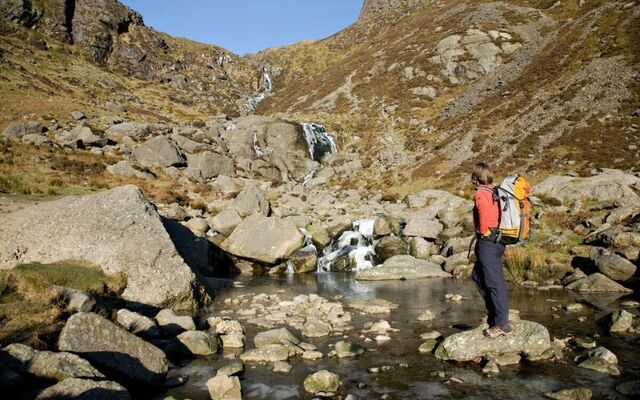
Alongside the food-focused push, the strategy introduces an Outdoor Ireland program built around walking, cycling and water-based activities.
The strategy also commits to a more targeted approach to investment, directing funding toward projects that deliver the strongest economic impact and help destinations compete on the global stage. A new tourism data and economic insights service will back up those decisions, giving Fáilte Ireland and its partners better evidence on where growth opportunities exist.
Digital and artificial intelligence adoption is another pillar of the plan, with new programs designed to help tourism businesses improve their online visibility, convert more inquiries into bookings and run more efficiently in an increasingly competitive global market.
Minister Burke framed the strategy as central to Ireland's economic future. "Tourism is one of Ireland's most important economic sectors, supporting employment, enterprise and communities in every region of the country. As a key driver of economic activity, tourism creates opportunities for local businesses, sustains jobs and contributes significantly to regional development across Ireland," he said.
He pointed to the national target of 7% annual domestic tourism revenue growth as a central benchmark for success.
"This strategy provides a clear framework for delivering the ambitions set out in A New Era for Irish Tourism, including the target of achieving 7% annual domestic tourism revenue growth. By driving stronger year-round demand, extending the tourism season and supporting growth in less mature destinations, we can spread the economic benefits of tourism more evenly across the country while strengthening local economies and communities," Burke said.
Read more
"Through targeted investment, innovation and a continued focus on sustainable growth, this strategy will help ensure tourism remains a strong contributor to Ireland's economic success and competitiveness in the years ahead."
Fáilte Ireland Chairperson Ruth Andrews said the plan reflects a deliberate narrowing of focus rather than an attempt to do everything at once.
"This strategy reflects a clear focus on where Fáilte Ireland can make the greatest impact over the coming years. By concentrating our efforts on the areas that will drive the strongest outcomes for businesses, communities and destinations, we can support a more balanced, resilient and successful tourism sector," Andrews said.
She added that success will depend on cooperation well beyond the tourism agency itself.
"The strategy also recognizes the importance of partnership. Achieving these ambitions will require collaboration across government, industry, local authorities and communities, and I look forward to working with our stakeholders to support delivery of this important program of work."
Fáilte Ireland Chief Executive Caroline Bocquel outlined the priorities that will guide the agency's work through 2029.
"Over the next three years, we will concentrate on strengthening the competitiveness, capability and resilience of tourism businesses, developing world-class visitor experiences, growing domestic tourism demand and ensuring investment is targeted where it can deliver the strongest economic outcomes for destinations and communities," Bocquel said.
She said the new culinary and outdoor programs are part of a broader effort to modernize the sector.
"By taking a more focused and evidence-led approach, we can help businesses improve performance, embrace digital and AI opportunities, and compete more effectively in an evolving marketplace. Whether through our new Culinary Tourism Strategy, Outdoor Ireland program, enhanced enterprise supports or strategic investment initiatives, our focus is on creating stronger tourism businesses, more compelling destinations and greater value for the sector as a whole."


Comments