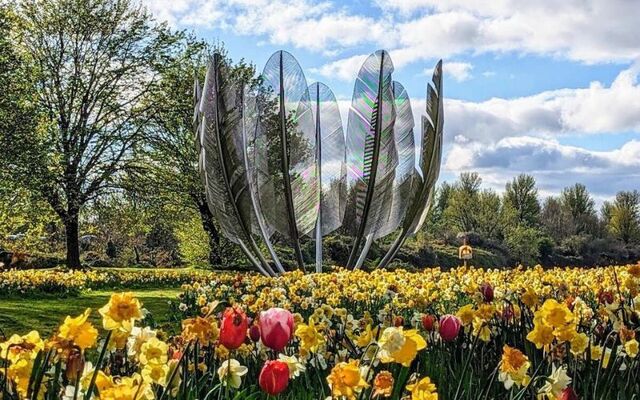
For centuries, people have crossed the Atlantic between Ireland and America, carrying with them ideas, traditions, music, and a fierce belief in liberty. Scots-Irish settlers helped shape early colonial life; men of Irish heritage signed the Declaration of Independence; Charles Thomson from County Londonderry designed the Great Seal; and Cork-born Stephen Moylan gave the new nation its name, the “United States of America”.
Those connections weren’t just political - they were deeply human. The Choctaw Nation’s extraordinary gift of famine relief in 1847 forged a bond of kindness that still resonates today. Millions of Americans now trace their ancestry back to this island, with Irish roots reflected in presidents, place names, music, sport, whiskey, and everyday family stories.
Ever since the first emigrants crossed the Atlantic with their stories, their music, and their hope for a better life, the Irish have helped to shape the new republic. Those bonds still run deep, making this the perfect year to discover our common heritage for yourself. Come to the island of Ireland and see where so many American stories began.
Northern Ireland
Hillsborough Castle & Gardens, County Down
Visit Hillsborough Castle and Gardens | Hillsborough Castle | Historic Royal Palaces
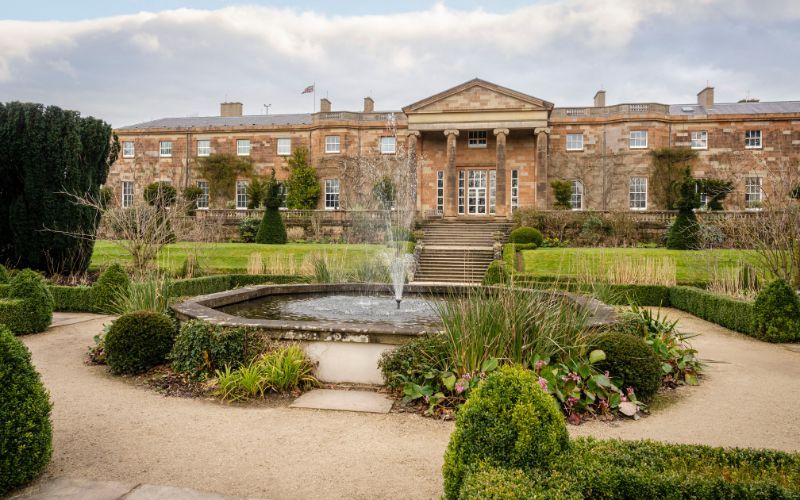

Hillsborough Castle & Gardens, County Down.
In the 1770s, Benjamin Franklin visited Hillsborough Castle – a reminder that the relationship between Ireland and America stretches back to the earliest days of the Republic. Today, the castle hosts rare American documents on loan from the American Historical Association for America 250, offering visitors a direct connection to the founding era. Local makers in Holywood, NI Silver, are marking the anniversary with a workshop where visitors can craft a 1776-inspired silver ring, blending heritage with contemporary creativity.
Strabane Printing Press, County Tyrone
Gray's Printing Press | Northern Ireland | National Trust
One of the most remarkable transatlantic stories begins in Strabane. John Dunlap, who learned the printing trade here as an apprentice, emigrated to America and went on to print the first broadside of the Declaration of Independence in Philadelphia in 1776. His journey from a small Ulster town to a defining moment in American history captures the spirit of Irish ingenuity and ambition.
Ulster Scots Visitor Centre, Belfast
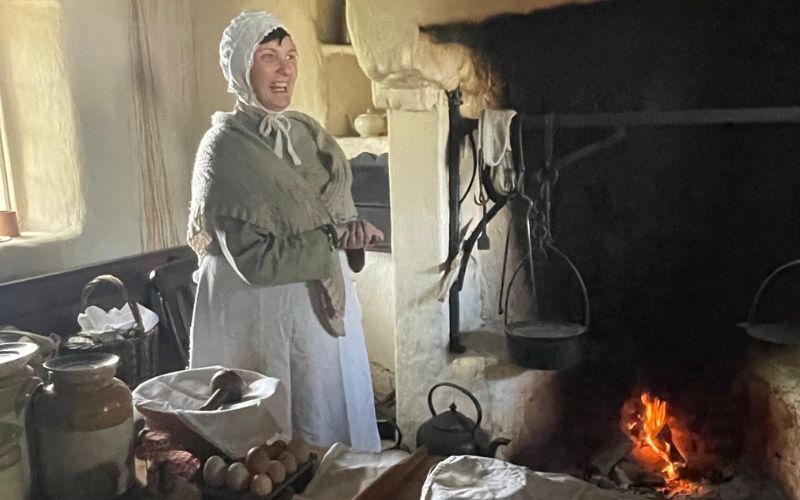
The Ulster American Folk Park, County Tyrone.
The Ulster Scots diaspora left a deep imprint on American identity. Their music, language, and frontier traditions traveled from Ulster to Appalachia, shaping communities and cultural life across the United States. The Ulster American Folk Park in County Tyrone now hosts the largest Bluegrass Festival in Europe and are hosting special commemorative BBQs in 2026 to celebrate.
Titanic Belfast, Belfast
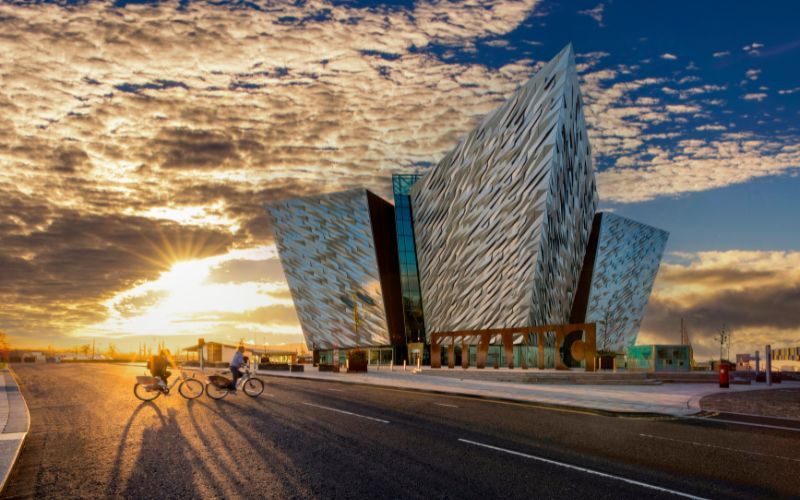
Titanic Belfast, Belfast.
Titanic Belfast tells the story of the ship that carried thousands of emigrants, many bound for new lives in America. It’s a powerful reminder of the hopes and determination behind the immigrant journey.
Frederick Douglass in Belfast
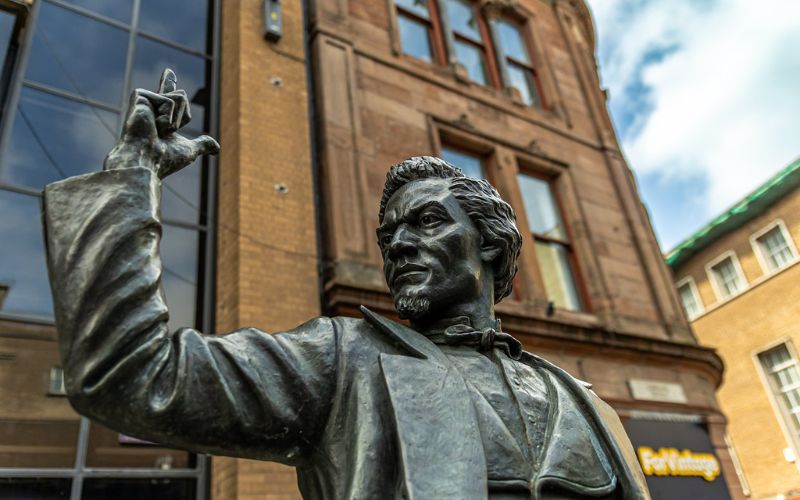
Frederick Douglass in Belfast.
Frederick Douglass’s time in Belfast was transformative. He found solidarity, support, and a sense of safety that shaped his later work. His story resonates strongly with visitors interested in civil rights history and the global movement for equality.
Arthur Cottage, Cullybackey, County Antrim
President Arthur Homestead - Cullybackey - Mid & East Antrim
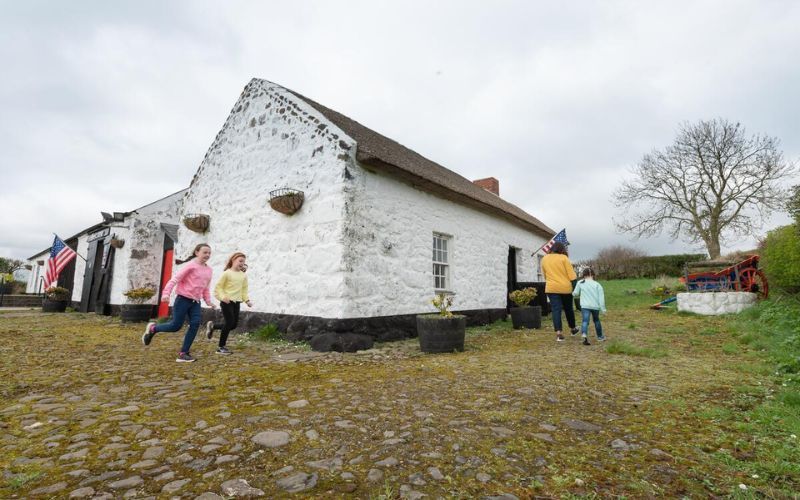
Arthur Cottage, Cullybackey, County Antrim.
The ancestral home of President Chester A. Arthur offers an intimate look at the early life of a future American leader - a story of modest beginnings and transatlantic possibility.
The Mellon Family & Mellon Bank
From humble origins in Tyrone, the Mellon family emigrated to America and went on to establish Mellon Bank, one of the most influential financial institutions in the United States. Their story reflects the entrepreneurial spirit that defined so many Irish American journeys.
Dublin
EPIC The Irish Emigration Museum
EPIC Museum| Official Website | Dublin's Must-See Tourist Attraction
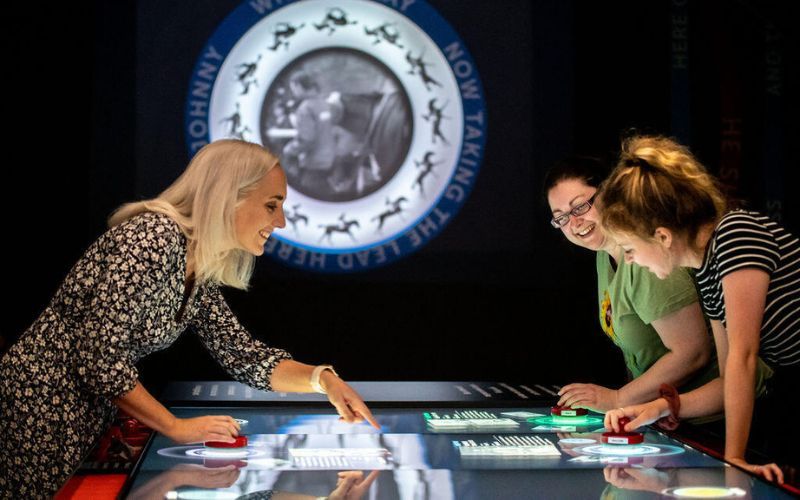
EPIC The Irish Emigration Museum.
EPIC tells the human story of Irish emigration – the people who crossed the Atlantic, the traditions they carried, and the ways Irish identity helped shape American culture. They also provide genealogy services to visitors so you can craft your own immigration journey. The museum highlights the movement of people between Ireland and the rest of the world.
The Jeanie Johnston
The Jeanie Johnston Tall Ship - An Irish Famine Story
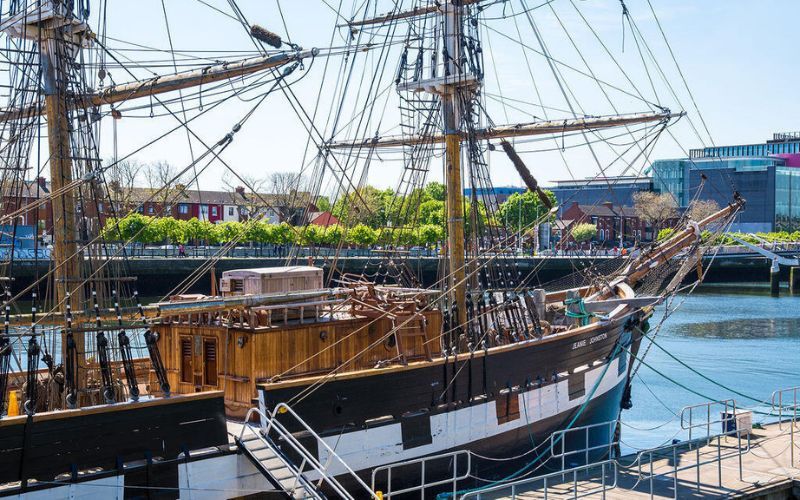
The Jeanie Johnston.
This replica famine ship brings to life the journeys of those who left Ireland during the 19th century. On one of the early voyages, just days into the first trip, Margaret Reilly gave birth to a healthy baby boy. She named him after the ship, its owner, doctor, and crew members, giving him 18 different names in his full name: Nicholas, Richard, James, Thomas, William, John, Gabriel, Carls, Michael, John, Alexander, Trabaret, Archibald, Cornelius, Hugh, Arthur, Edward, Johnston Reilly. Margaret and Daniel Reilly later settled in rural Michigan, continuing farming, and their son eventually worked in Minnesota before opening a bar in Minneapolis. The Jeanie Johnston never lost a single passenger or crew member.
Ireland’s Ancient East
The architect of the White House
Born in Callan, County Kilkenny, James Hoban trained as a carpenter and wheelwright before emigrating to America. In 1792, he won the national competition to design the President’s Mansion – now the White House. His design was inspired in part by Leinster House in Dublin, making the home of the US President a quiet architectural link between the two nations.
The Irish roots of St. Patrick’s Cathedral, New York
One of the most iconic symbols of Irish American identity – St. Patrick’s Cathedral in New York City – also carries a direct link back to Ireland. The cathedral’s architect, James Renwick Jr., was a renowned American architect whose family traced its origins to County Tyrone. In 1853, he was commissioned by Archbishop John J. Hughes, himself born near Aughnacloy, County Tyrone, to design what would become the largest Gothic Revival Catholic cathedral in North America.
While Renwick provided the vision, the cathedral’s soaring stonework and intricate detailing were brought to life by Irish craftsmen, stonemasons, and laborers, whose skills shaped the building into the landmark it is today. St. Patrick’s Cathedral stands not only as a masterpiece of architecture but as a testament to the Irish hands, heritage, and leadership that helped build New York.
Dunbrody Famine Ship, New Ross, County Wexford
Dunbrody Famine Ship and Irish Emigrant Experience
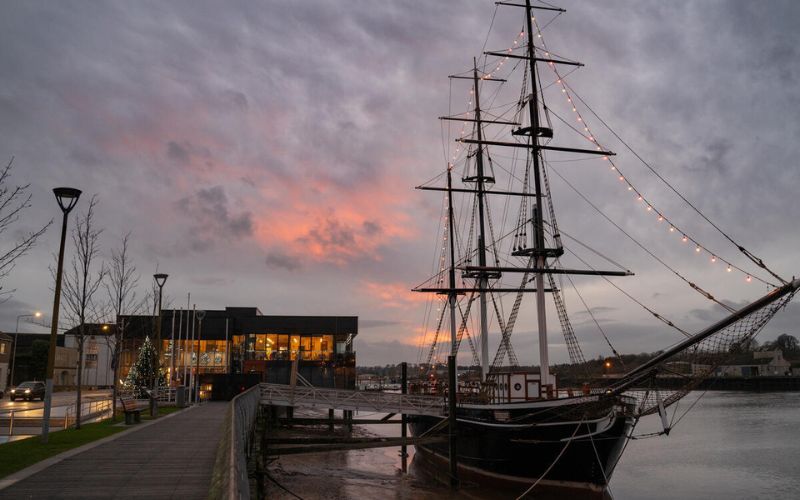
Dunbrody Famine Ship, New Ross, County Wexford.
A powerful, theatrical experience that tells the story of famine-era emigration and the families who rebuilt their lives in the United States.
Annie Moore Statue, Cobh
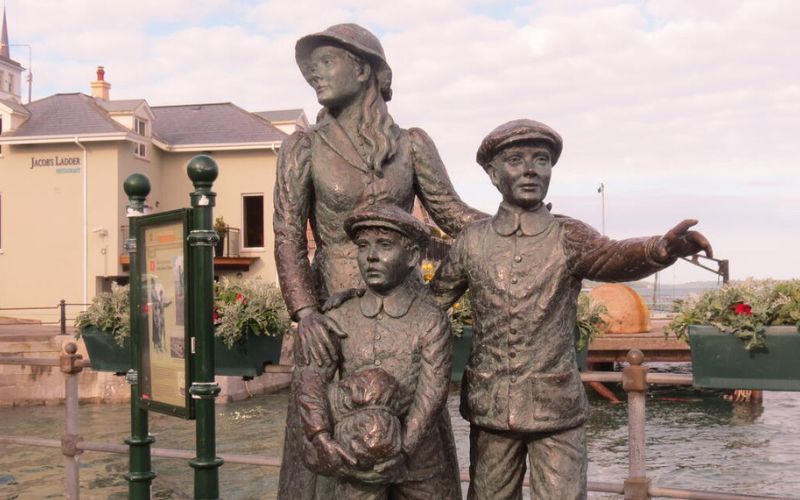
Annie Moore Statue, Cobh.
The first immigrant processed at Ellis Island symbolized hope and new beginnings.
Kindred Spirits Sculpture, Midleton
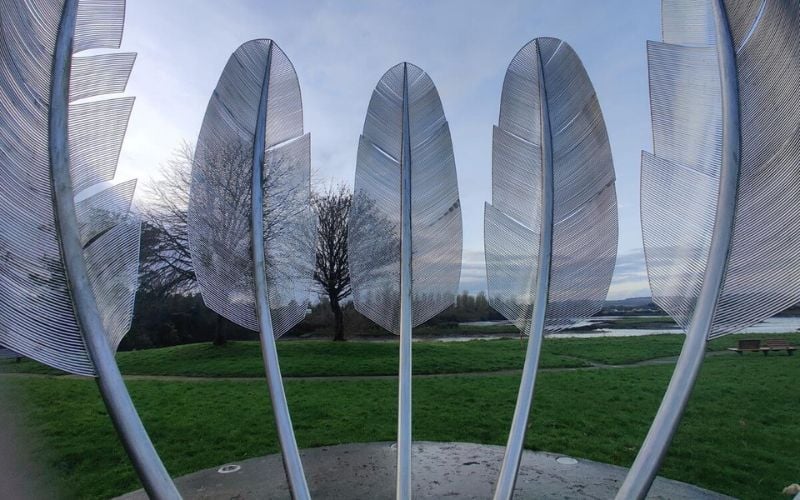
Kindred Spirits Sculpture, Midleton.
A moving tribute to the Choctaw Nation, who sent famine relief to Ireland in 1847 – a story of generosity that continues to resonate deeply with American visitors.
Moneygall Village & JFK Arboretum
Moneygall, ancestral home of President Barack Obama’s family, celebrates the enduring ties between Ireland and the United States. Nearby, the JFK Arboretum honors President John F. Kennedy and the Irish heritage that shaped his family’s story.
America 250 is not just a milestone – it’s an invitation to explore the places, stories, and people who shaped the American story from across the Atlantic. Ireland offers visitors a chance to walk in the footsteps of emigrants, innovators, musicians, leaders, and dreamers whose influence still echoes today.

Ireland is not just a destination, it's a feeling. Follow your heart to Ireland and discover the adventure that awaits you. Whether you decide to wander through 5,000 years of history in Ireland’s Ancient East, breathe in Ireland’s magnificent west coast along the Wild Atlantic Way, embrace a giant spirit in Northern Ireland, or enjoy the unspoiled majesty of Ireland’s Hidden Heartlands.
This article is presented proudly in partnership with Tourism Ireland. To learn more about Tourism Ireland and get inspired for your next visit to Ireland, check out their website at Ireland.com.


