The bend in the road at Kilmichael looks like nothing much today, a stretch of rough ground between ditches and bog on a remote, winding road in County Cork. What happened there on a wet November afternoon in 1920 is still picked over by historians more than a century later, and it still divides them.
Irish rebels ambushed a British army column in a remote part of Cork called Kilmichael on November 28, 1920, during Ireland's War of Independence.
The British soldiers were based in the nearby town of Macroom and were on patrol when 36 members of the IRA, led by Commander Tom Barry, ambushed them at a lonely, winding section of road.
17 of the 18 British were killed, while three IRA soldiers also died. The fighting was ferocious, with intense hand-to-hand combat reported from the scene. The incident was an enormous change of pace and escalation by the IRA and had serious consequences historically.
Happening just one week after Bloody Sunday, the Kilmichael ambush was both politically and militarily significant because, while the thousands of men within the British troops in Ireland at the time could handle the loss of 18 men, it was the fact that the IRA had succeeded in wiping out a whole patrol of elite auxiliaries that shocked the most.
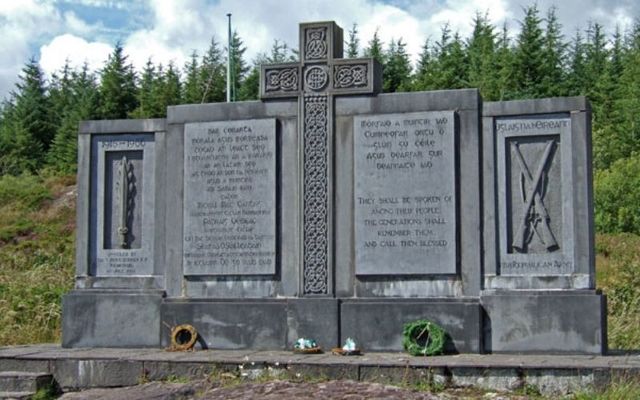
In 1966, a memorial was unveiled at Kilmichael as part of the 50th-anniversary recognition of the 1916 Easter Rising. The memorial read in part: "They shall be spoken of among their people. The generations shall remember them and call them blessed."
RTÉ reports that in 1966, General Tom Barry led the surviving veterans in forming a guard of honor at the unveiling of a monument at the site of the Kilmichael Ambush.
* Originally published in 2017. Updated 2026.