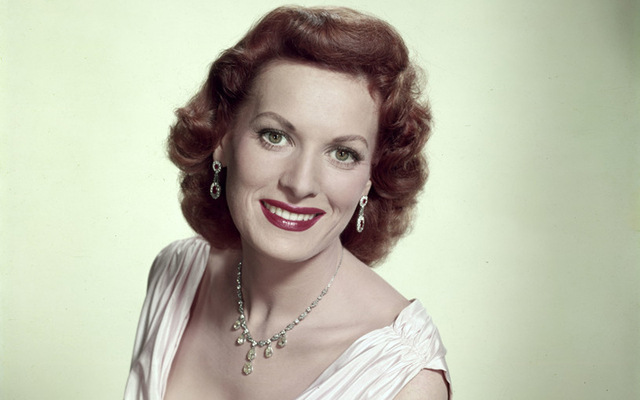
Today, National Love Your Red Hair Day, we celebrate flame-haired wonders all over the world by checking out the most famous redheads in history.
Red hair, freckles, being experts at Irish dancing, and being blessed with ‘the gift of the gab’ are the usual Irish stereotypes. However, studies have shown that only ten percent of Irish people are redheads.
In fact, it is the Scots who have the highest percentage of redheads, at a massive 47 percent. Whether it’s because of the Hollywood stereotype of the Irish as being redheaded and using the phrase ‘begorra’ or not, it is an idea that we’re stuck with.
There are also other unfounded myths associated with being a redhead, such as the notion of having a fiery temper. This myth is likely due to literature, where redheaded characters are often depicted as excitable and hot-tempered. For example, Achilles, a central character in Homer’s “Iliad,” was described as having red hair, being strong, and having a nasty temper.
Read more
Sadly, having red hair has also become something that is used as a taunt. Historians believe that this is due to the English people’s dislike of the Danes, who invaded their country in the 10th century. Additionally, in the Middle Ages, vampires and witches were often depicted as having red hair.
Happily, in more modern times, during the Elizabethan era, red hair became a desirable quality. Queen Elizabeth I had red hair, and having red hair became fashionable; women in paintings were often portrayed as redheads. Even today, red shades are still the most sought-after hair dye colors, and people in countries such as India, Iran, and Pakistan use henna to achieve that red glint in their hair.
Redheads can be found all over the world including in the United States, the Netherlands, Belgium, France, Portugal, Spain, Italy, Germany, Russia, and Albania. Though some ginger stereotypes still exist, this list of famous redheads from history proves them all wrong!
Here are some figures in history who were fiery redheads:
Maureen O'Hara (1920 - 2015)
The red-headed O'Hara was noted for playing fiercely passionate heroines with a highly sensible attitude, most famously in “The Quiet Man”. She often worked with director John Ford and longtime friend John Wayne. Her autobiography, “'Tis Herself”, was published in 2004.
Boudicca (died 60 / 61 A.D.)
Boudica was a queen of the Brythonic Celtic Iceni people in Norfolk, England. She led a major uprising of the tribes against the Roman Empire's occupying forces. When her husband, Prasutagus, died, the Romans annexed his kingdom and brutally humiliated Boudica and her daughters, spurring her leadership of the revolt.
Alexander The Great (356 – 323 B.C.)
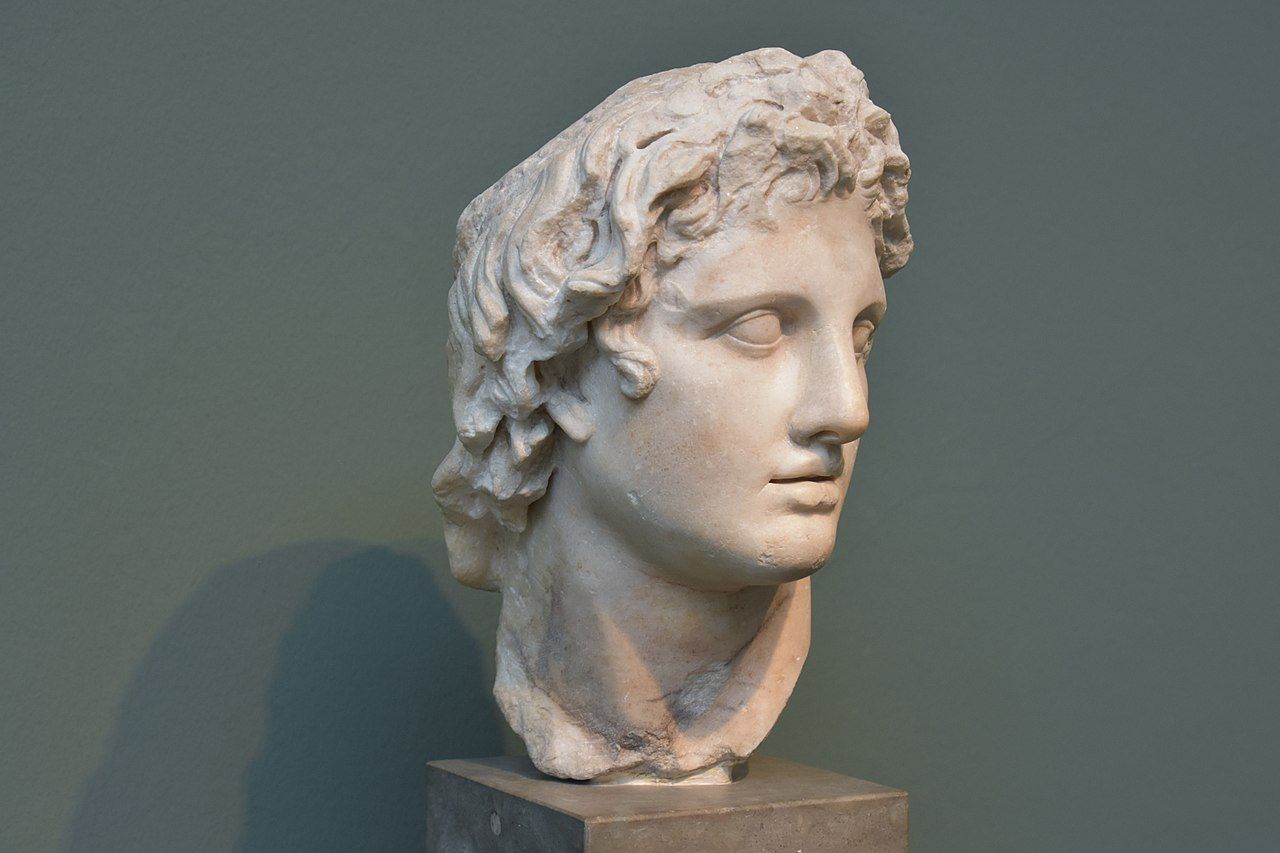

Alexander The Great.
Alexander the Great was king of Macedonia, a state in the northeastern region of Greece, and also the creator of one of the largest empires in ancient history. He was undefeated in battle and is considered one of the most successful commanders of all time.
Queen Elizabeth I (1533 - 1603)
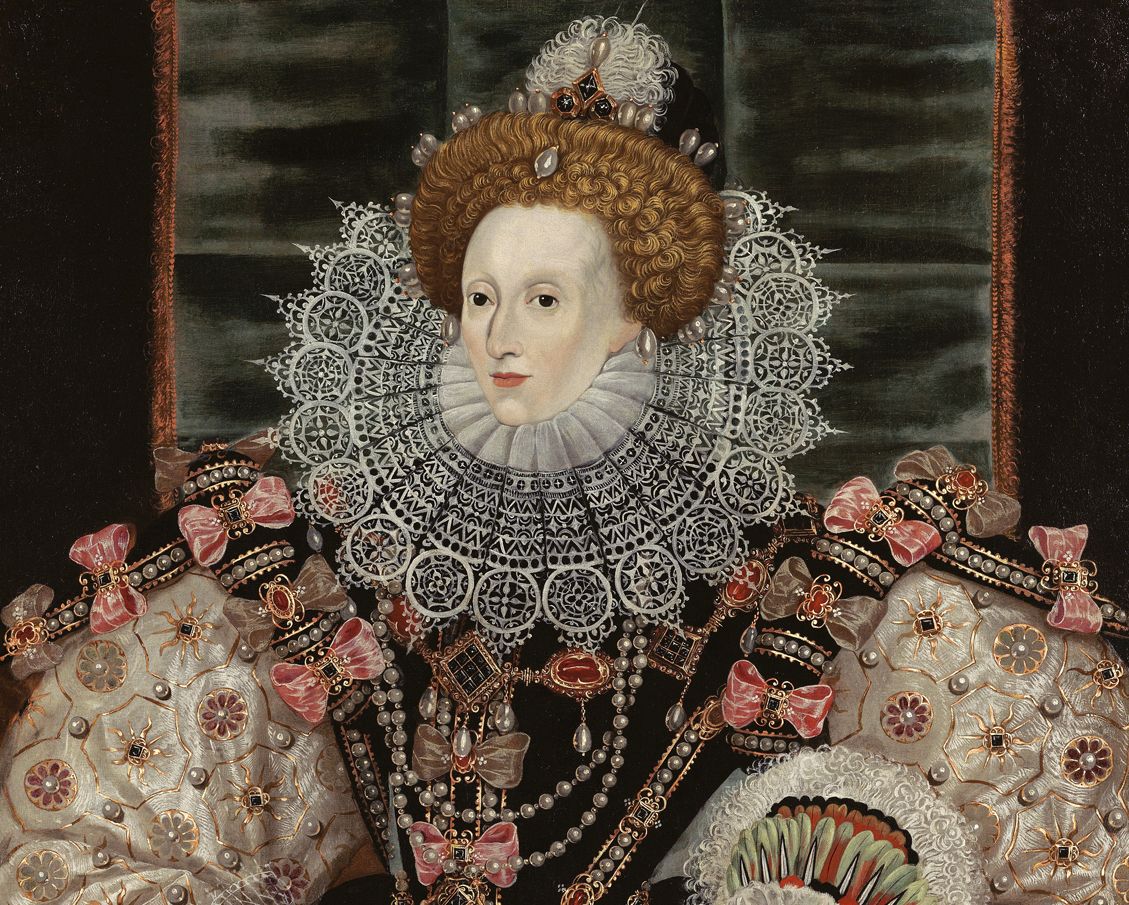
Queen Elizabeth I (1533 - 1603).
One of the most powerful monarchs ever, she brought about the Elizabethan era, ruling from 1558 until her death. Defeating the Spanish Armada in 1588, she oversaw one of the most stable reigns of her time. Known as "The Virgin Queen" because she never married and had no children, Elizabeth was the last ruler of the Tudor Dynasty.
Winston Churchill (1874 - 1965)
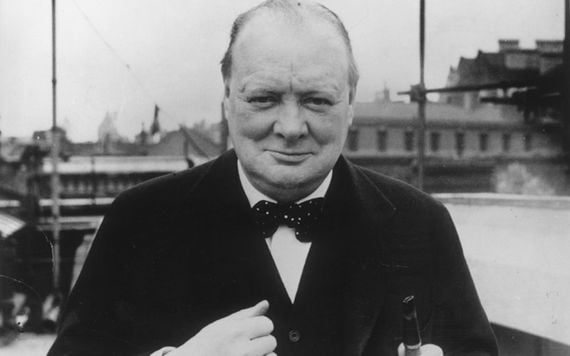
Winston Churchill (1874 - 1965)
Churchill was a British politician and statesman known for his leadership of the United Kingdom during the Second World War. He is widely regarded as one of the great wartime leaders.
He served as prime minister twice. A noted statesman and orator, Churchill was also an officer in the British Army, a historian, a writer, and an artist. To date, he is the only British prime minister to have received the Nobel Prize in Literature, and he was the first person to be awarded the honor of an honorary citizen of the United States.
Galileo (1564 – 1642)
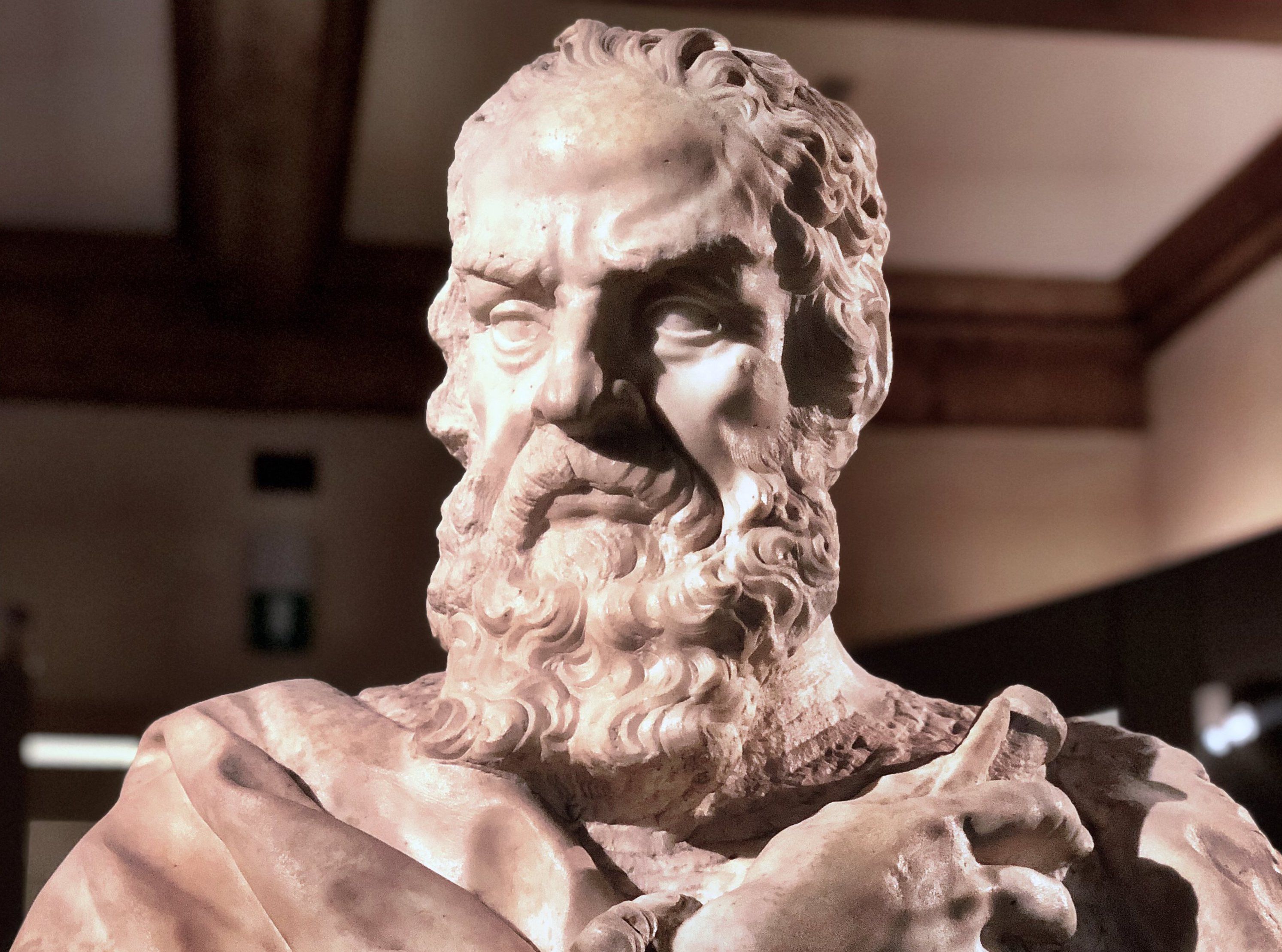
Galileo (1564 – 1642)
Galileo Galilei, commonly known as Galileo, was an Italian physicist, mathematician, astronomer, and philosopher who played a significant role in the Scientific Revolution. Stephen Hawking says, "Galileo, perhaps more than any other single person, was responsible for the birth of modern science."
Read more
General George A. Custer (1839 – 1876)
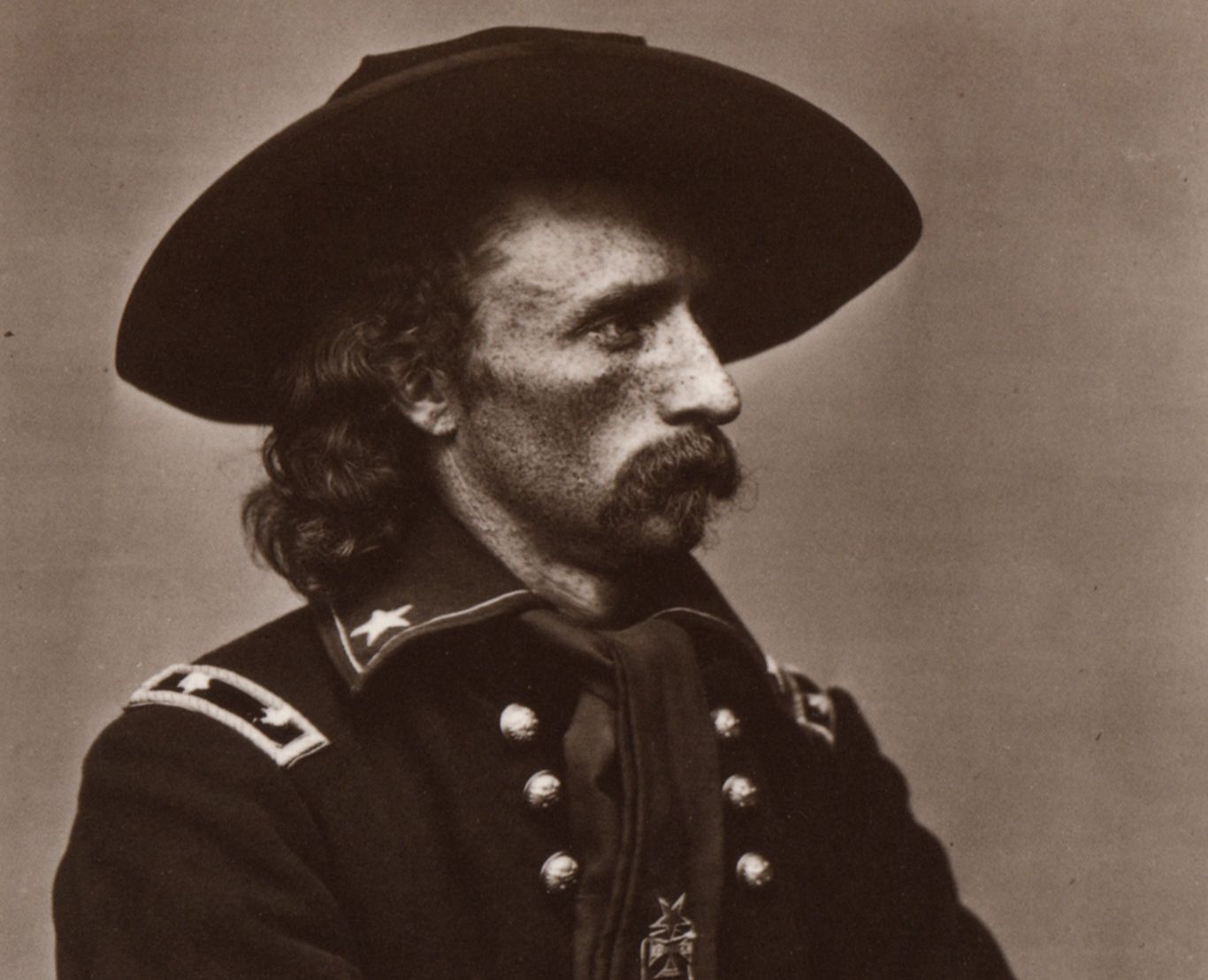
General George A. Custer (1839 – 1876)
George Armstrong Custer was a United States Army officer and cavalry commander in the American Civil War and the Indian Wars. Today, he is most remembered for a disastrous military engagement known as the Battle of the Little Bighorn.
George Bernard Shaw (1856 – 1950)
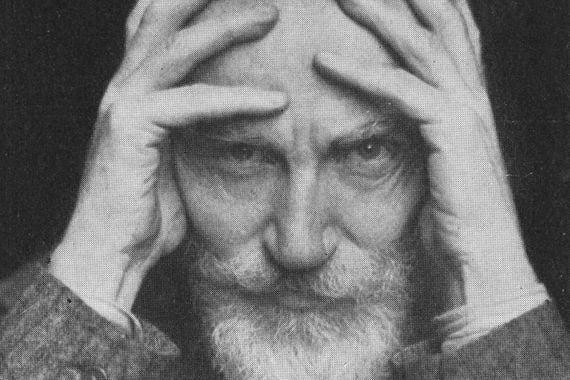
George Bernard Shaw (1856 – 1950)
George Bernard Shaw was an Irish playwright and a co-founder of the London School of Economics. Although his first profitable writing was music and literary criticism, in which capacity he wrote many highly articulate pieces of journalism, his leading talent was for drama, and he wrote more than 60 plays.
Mark Twain (1835 – 1910)
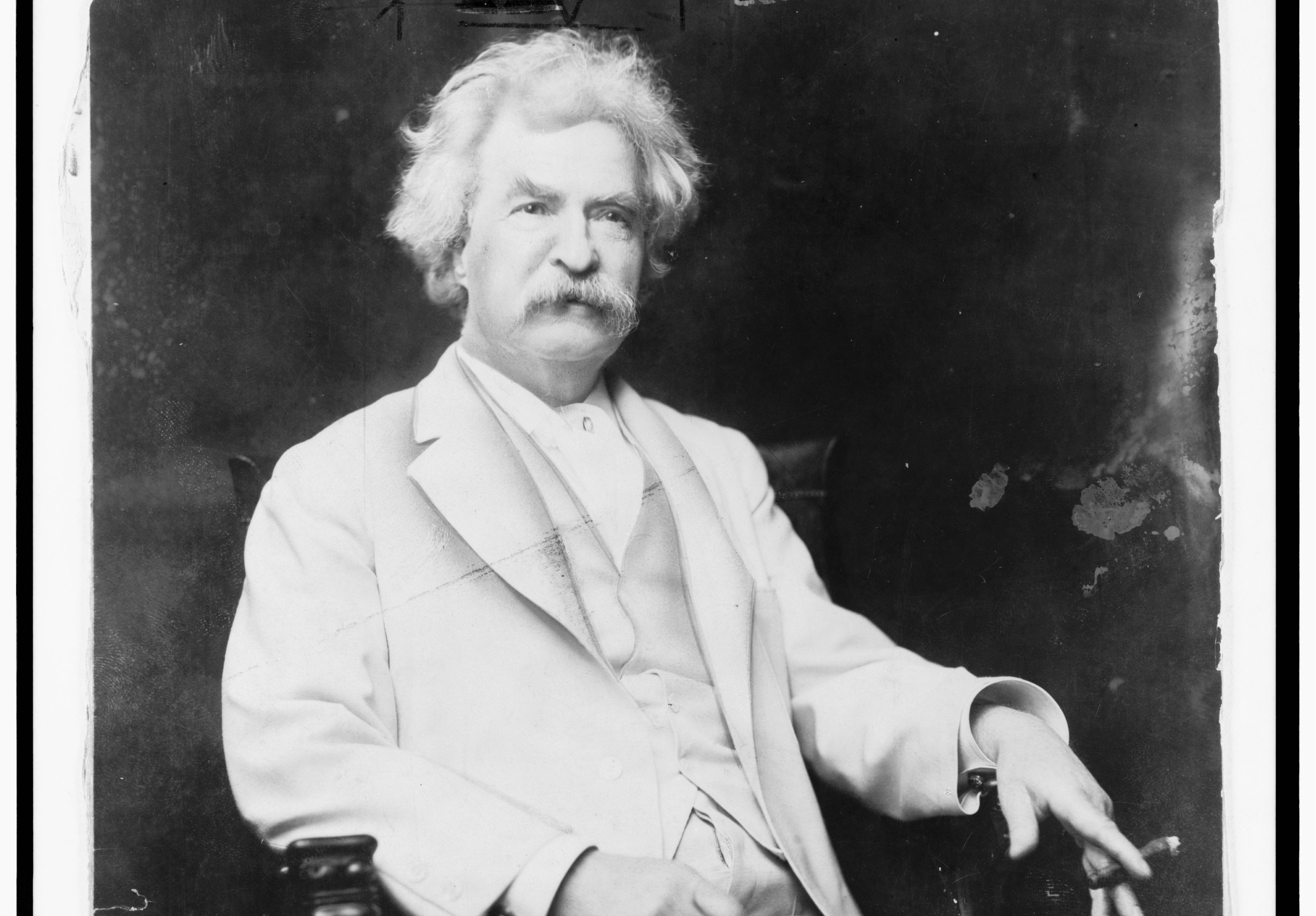
Mark Twain (1835 – 1910)
Samuel Langhorne Clemens, better known by his pen name Mark Twain, was an American author and humorist. He is noted for his novel “Adventures of Huckleberry Finn” (1885), called "the Great American Novel", and “The Adventures of Tom Sawyer” (1876).
Mary Magdalene
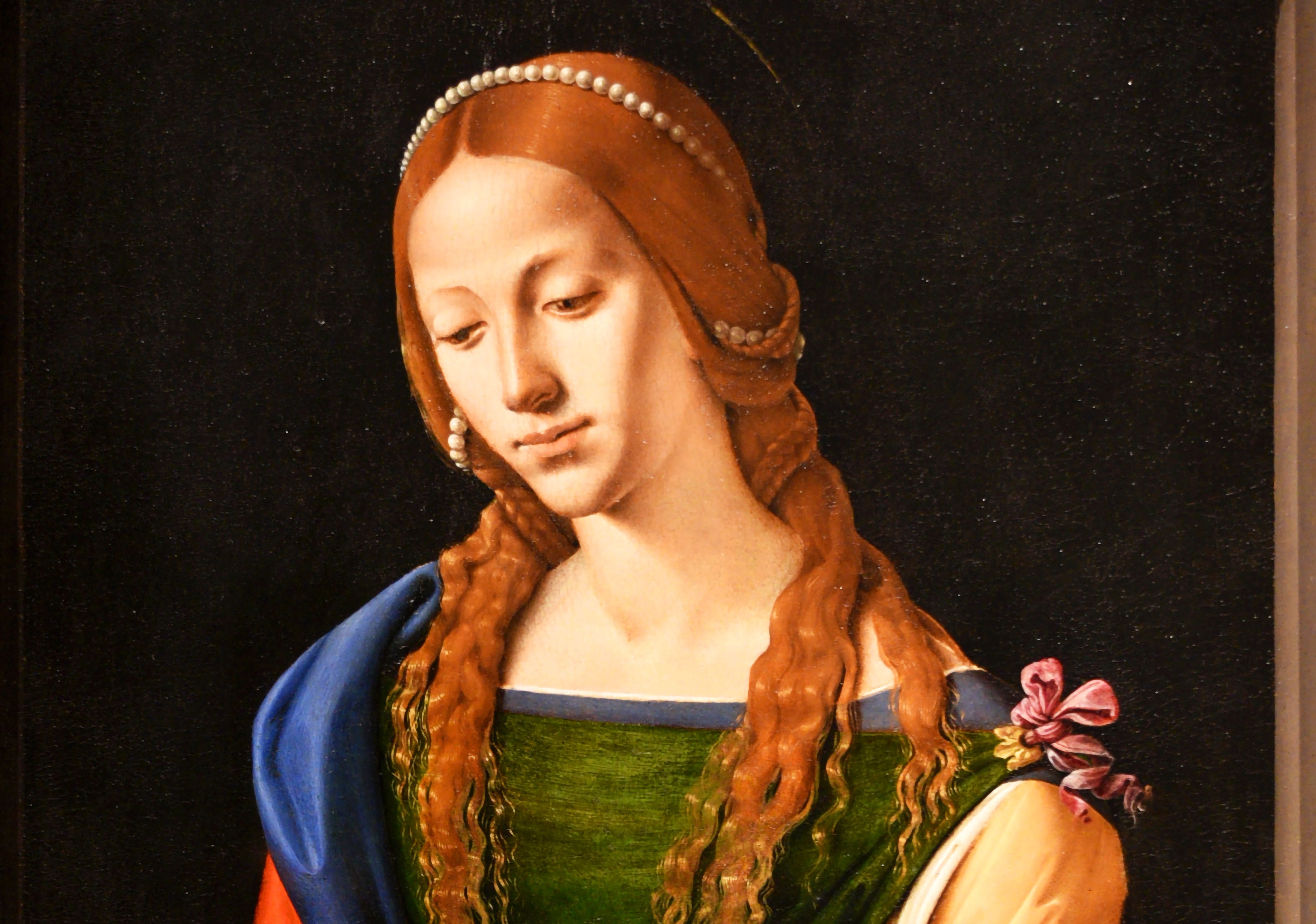
Mary Magdalene
Mary Magdalene is a figure from the Bible, described in the New Testament as one of the most important women in Jesus' ministry movement.
Florence Nightingale (1820 – 1910)
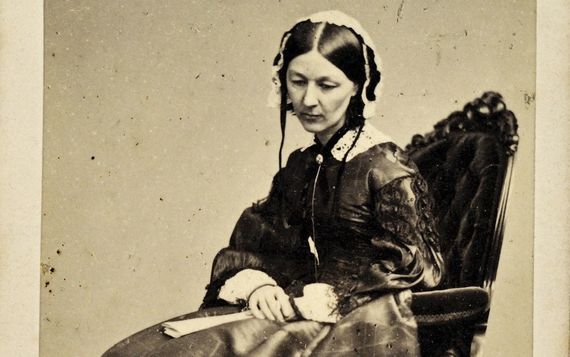
Florence Nightingale (1820 – 1910)
Florence Nightingale was a celebrated English nurse, writer, and statistician. She came to prominence for her pioneering work in nursing during the Crimean War. She was dubbed "The Lady with the Lamp" after her habit of making nighttime rounds.
Lucille Ball (1911 - 1989)
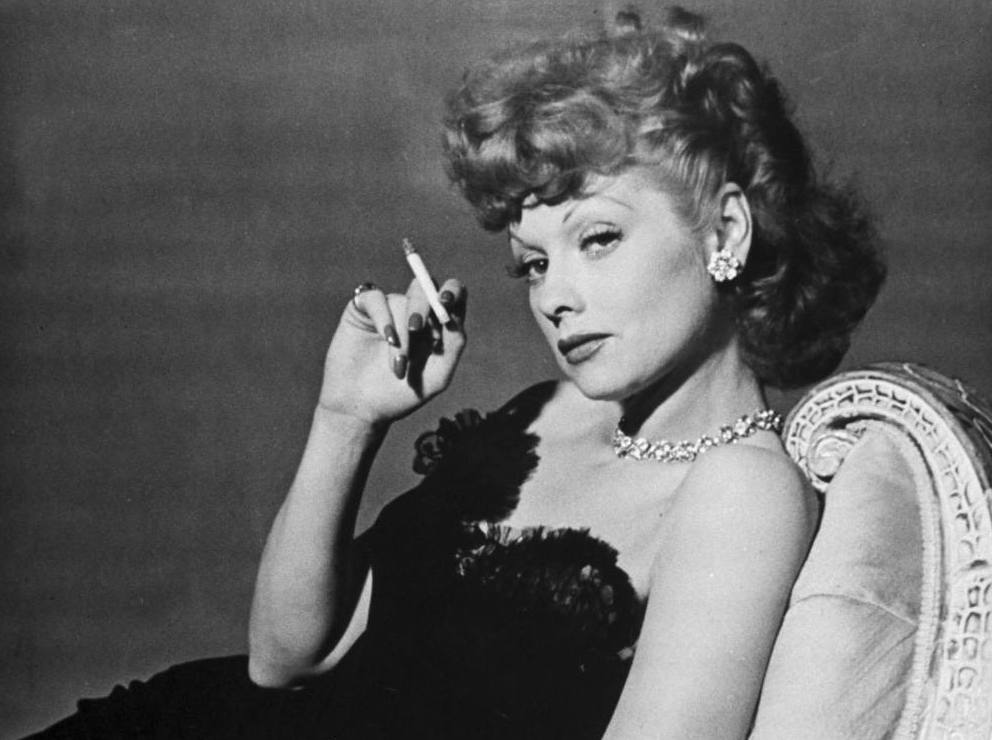
Lucille Ball (1911 - 1989)
Oh, how beloved Lucy was! A monumentally pioneering female comedian, Ball is most famous for I Love Lucy, her TV show with her husband at the time, Desi Arnaz. Ball was also a star of the big screen and of Broadway. a
Did we skip one of your favorite famous redheads from history? Let us know in the comment section.
* Originally published in 2016, updated in November 2025.



Comments