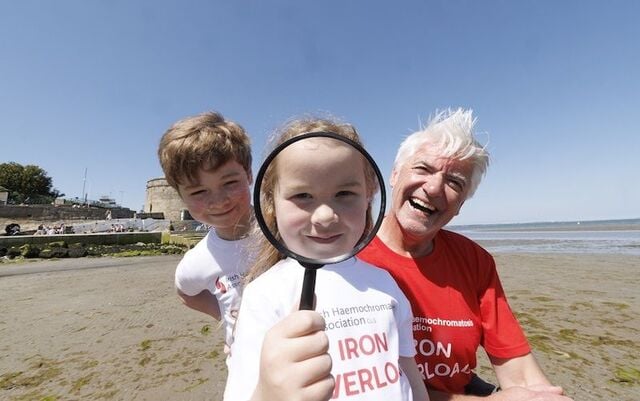
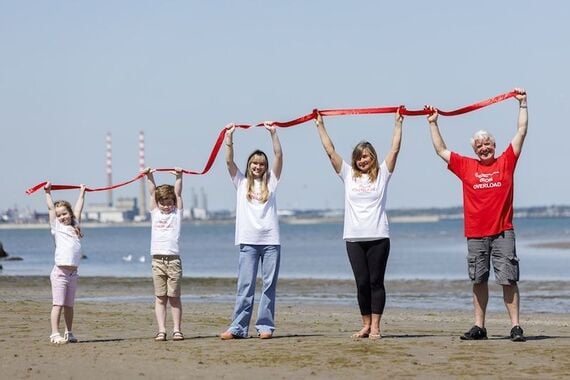
This June, during World Hemochromatosis Awareness Week (1st–7th June 2026), the Irish Hemochromatosis Association (IHA) is calling on the public to recognize the symptoms of hemochromatosis, also known as iron overload, and seek testing earlier.
Hemochromatosis is Ireland’s most common genetic condition. Often referred to as the “Celtic Gene,” the condition has the highest prevalence in Ireland, with around 1 in 5 people carrying the gene linked to iron overload and approximately 1 in 83 genetically predisposed to developing hemochromatosis.
New research funded by Hemochromatosis UK and led by Professor Jim Wilson at the University of Edinburgh has identified clear genetic “hotspots” across Ireland, with the highest concentrations of risk found in the north-west.
The condition causes the body to absorb too much iron from food. Over time, excess iron can accumulate in vital organs, including the liver, heart, pancreas, and joints, potentially causing irreversible damage if left untreated. Serious complications can include liver disease, heart problems, diabetes, and joint damage.
Despite its prevalence, hemochromatosis is often missed because its early symptoms can be vague and easily mistaken for stress, aging, or general fatigue. Common warning signs include persistent tiredness, brain fog, abdominal discomfort, and joint pain, particularly in the knuckles, sometimes referred to as the “iron fist.”
The Irish Hemochromatosis Association (IHA), the only registered charity in Ireland dedicated to supporting people living with hemochromatosis and their families, is urging anyone experiencing symptoms to speak with their GP about screening for the condition. Initial screening involves a simple blood iron panel to measure iron levels. If Serum Ferritin or Transferrin Saturation (TSAT) levels are raised, a genetic blood test is then recommended.

Speaking about Ireland’s role in advancing research and awareness, Professor John Ryan, Consultant Hepatologist at Beaumont Hospital and Chair, Irish Liver Foundation, said:
“The key message is that once hemochromatosis is diagnosed, it is highly treatable. It may be frequently missed because early symptoms are so non-specific, but we have the tools to diagnose this early and prevent complications.
Along with the European Iron Club, I’m delighted to be hosting a conference in Trinity College in June, bringing together a truly outstanding line-up of speakers and international experts who are advancing vital research in hemochromatosis.”
Professor Suzanne Norris, Consultant in Hepatology and Gastroenterology at St. James’s Hospital, added:
“Early diagnosis of hemochromatosis is vital, which is why serious complications as a result of hemochromatosis can be avoided if a patient is diagnosed as early as possible. The work of the Irish Hemochromatosis Association has helped to increase awareness of Ireland's most common genetic disorder and educate the public on identifying symptoms and seeking treatment.”
The campaign also highlights the lived experience of people diagnosed with hemochromatosis, including a voluntary board member of the Irish Hemochromatosis Association, Brian Keegan, who lives with the condition.
Speaking about his experience, Brian said: “As someone living with hemochromatosis and as an ambassador for raising awareness, I’m passionate about speaking to younger generations about the condition. Too often, people don’t realize that some of the non-specific symptoms could point to something more serious, or they wait until complications develop before seeking help. A simple blood test can make a huge difference. If you have symptoms or a family history of hemochromatosis, don’t ignore it, speak to your GP and get tested."
Irish baker, entrepreneur, and author Alice Kelly, who was diagnosed with hemochromatosis at the age of 21 after years of unexplained symptoms, added:
“For years, I was constantly exhausted and dealing with symptoms I couldn’t explain. My fingers ached, I had stomach pains, and I kept being told everything was normal. I started to believe I was just lazy or overreacting, even though I didn’t feel that way at all. When I finally got my diagnosis, I felt a huge sense of relief. It explained everything I had been experiencing for years, and it finally gave me a path forward. Looking back, it was the missing link in all my symptoms.”
Open water swimmer and long-standing Irish Hemochromatosis Association campaign supporter Anna McCarthy, who was diagnosed with hemochromatosis over 14 years ago, said:
“I was diagnosed after a routine blood test showed my iron levels were extremely high. At the time, I didn’t really understand what hemochromatosis was, but I quickly learned how serious it could have been if it hadn’t been picked up. I had around 40 pints of blood taken to bring my levels back to normal, and now I just manage it through regular blood donation. I’ve since broken two records and completed swims across the English Channel and the Strait of Gibraltar, so it absolutely hasn’t stopped me. I also swam in a relay from Wales to Ireland, being the first female to complete this swim! If you have symptoms or a family history, just get checked. Early diagnosis changes everything.”
The Irish Hemochromatosis Association is also expanding its work within nurse education by partnering with the HSE NW nurse education and training team and the Irish General Practice Nurses Educational Association to deliver a pilot venesection training program for nurses in the community. The aim is to make venesection treatment (regular blood removal used to reduce iron levels) more accessible for patients in community settings.
Hemochromatosis can be identified through blood tests and genetic screening, and early diagnosis can help prevent long-term complications and irreversible organ damage while enabling people to live well with appropriate treatment.
For further information or support, visit www.haemochromatosis.ie.



Comments