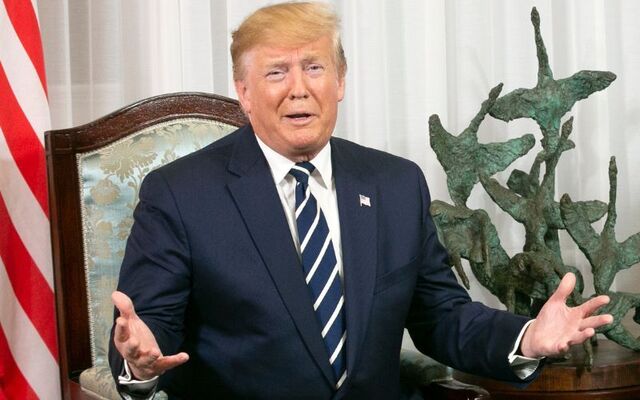
Irish police, protest groups, and government ministers are all bracing for a complicated visit from US President Donald Trump.
Trump is expected to touch down in Ireland on September 12, timing his arrival so he can attend the closing stages of the Amgen Irish Open at Trump International Golf Links in Doonbeg, Co Clare. The tournament runs from September 9 through September 13, and the president has made no secret of his excitement about the event teeing off at his own course.
In a recorded video message played during the US ambassador's Independence Day reception at Dublin's Phoenix Park last month, Trump gushed about the Doonbeg property he bought back in 2014.
"You know, I have a beautiful place over there, it's one of the best, most beautiful golf courses anywhere in the world," he said.
"We have a place that's so top, and we have the Irish Open going to be there, and we're going to have a tremendous celebration. I think I'm going to come over and I think I'm going to see it and we're going to watch Rory and all the great players."
Beyond the golf, Trump's itinerary is expected to include a meeting with Taoiseach Micheál Martin in Dublin and a ceremonial sod turning at the site of the new US Embassy in Ballsbridge.
A sit-down with President Catherine Connolly, who was a vocal critic of Trump during his election campaigns, is also considered likely, though it has not been formally confirmed. Connolly has indicated she would meet the president as part of her constitutional duties should the visit go ahead as an official one.
"Largest security operation"
A senior Garda official told the Irish Independent that the operation would dwarf anything Ireland has organized before for a multi-day sporting event.
"It would be the largest security operation of its type for a multi-day sporting event in Irish history," the official said.
"The reality is that the threat environment is very different to what it was seven years ago. There is the US-Israeli conflict with Iran, there is the Ukraine war, not to mention all of the lone wolf attacks in the US."
The comments reflect just how much the security landscape has shifted since Trump's last visit to Doonbeg during his first term. Drone threats have also evolved considerably since 2019, and the attempts on Trump's life in the US have only sharpened the concerns of Irish planners tasked with keeping him safe across two very different parts of the country.
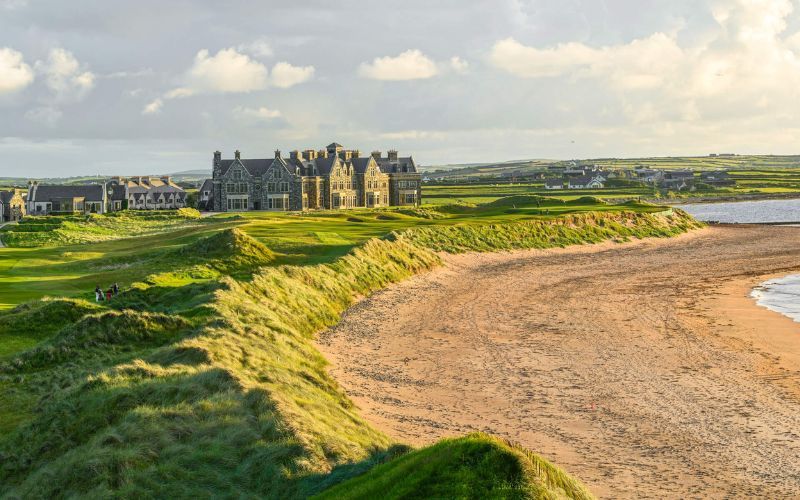

Trump International Golf Links & Hotel Doonbeg Ireland, County Clare.
Those opposed
Not everyone in government is thrilled about Trump's upcoming Irish visit, even if they accept it comes with the territory. Fianna Fáil Minister of State Timmy Dooley acknowledged the visit will disrupt daily life for people in West Clare, but argued Ireland has an obligation to provide proper security for a visiting head of state regardless of the inconvenience.
Elsewhere, Sara O'Rourke of the Irish Neutrality League confirmed her organization plans to protest both Trump's presence and his policies.
The Irish political party People Before Profit has announced plans for a large demonstration in Dublin, with the party stressing that the government's decision to welcome Trump should not be read as reflecting the views of the wider Irish public.
People Before Profit TD Paul Murphy did not mince words about what he hopes the protest will achieve, saying: "A major protest against Donald Trump will prove that Irish people don't go in for bootlicking."
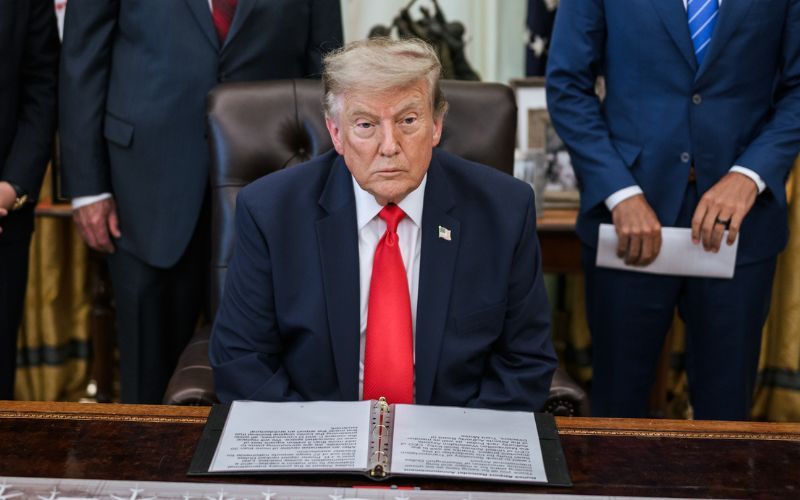
Aug 2, 2026: President Donald J. Trump.
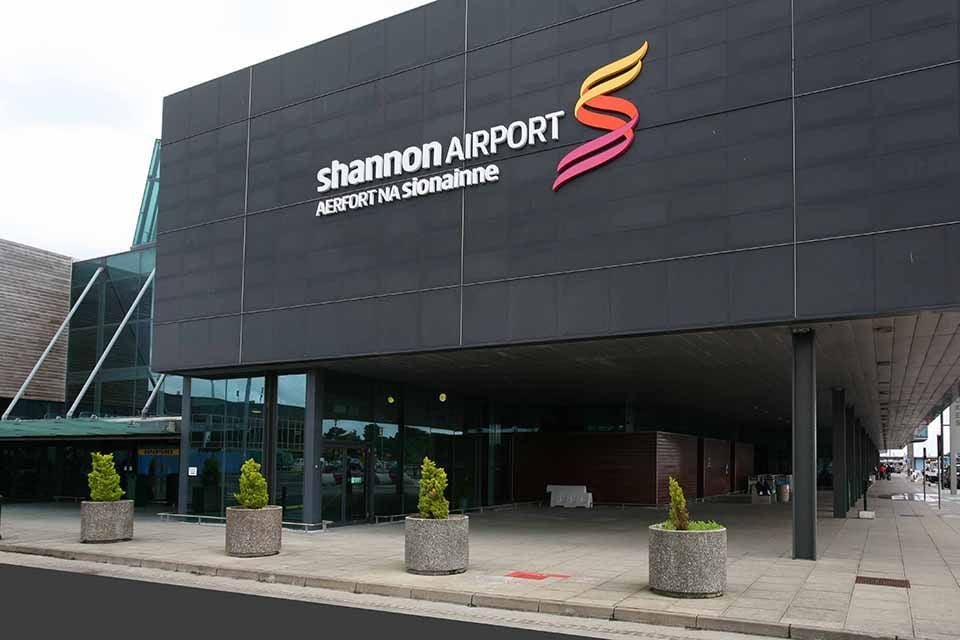
In Co Clare, the People of Clare Against Genocide has announced a picnic protest planned for Doughmore Beach alongside a separate demonstration at Shannon Airport.
Eamon Meehan, the chairperson of the Ireland Palestine Alliance Sadaka, noted that even though the visit is not being designated an official state visit, Trump is likely to use the trip for political gain regardless.
The visit underscores just how complicated Trump's relationship with Ireland has become since his first term. The warm bunting and star-spangled banners that greeted him in Doonbeg in 2019 are unlikely to be repeated in quite the same way this time around, with protest groups from across the political spectrum preparing to make their voices heard in both Dublin and Clare.
What remains certain is that gardaí will have their hands full managing a visit that stretches from the west coast to the capital, with the government keen to balance hospitality toward a sitting US President against the practical realities of protecting him in a far more volatile security climate than existed seven years ago. Whether the visit proceeds exactly as outlined will likely depend on negotiations still playing out in the weeks ahead.



Comments