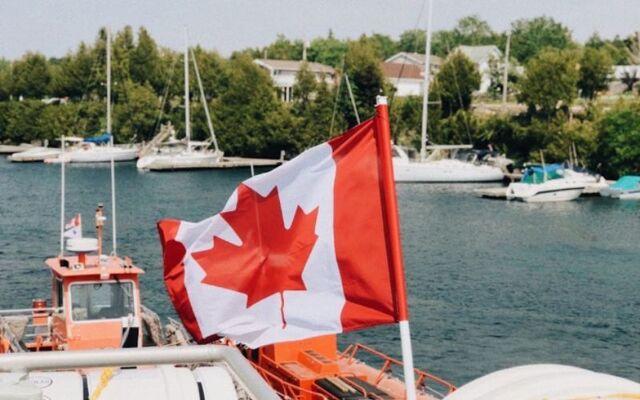
Celebrations will be on the agenda this July 1st, as Canada Day commemorates Canadian independence. Way back in 1867, the British Parliament brought the British North America Act into effect, leading to the creation of an independent Canada. Of course, these celebrations will not just be confined to Canada, as many patrons in bars across Ireland will also be raising a glass in celebration of the unique ties between the two nations.
Canada and Ireland may be separated by an ocean, but they are closer than many people may imagine. Both nations possess strong, distinctive cultural identities that resonate far beyond their borders. They also share historical ties, most notably through waves of Irish immigration that helped shape modern Canadian society. Today, the two nations are navigating the challenges and economic opportunities that the exciting gambling market offers.
As these two countries look to build sustainable digital gaming industries, we compare the evolving gambling landscape and reveal the shared strategies, key differences, and future opportunities facing them.
Regulatory Frameworks: Structured but Evolving
Gambling markets in both Canada and Ireland operate within structured regulatory frameworks rather than fully open, unregulated systems. That means governments play a pivotal role in licensing, oversight, and consumer protection, as they try to balance economic opportunity with consumer protection.
Canada
In Canada, regulation is decentralised with each province having the authority to manage and oversee its own gambling operations, including online platforms. In April 2022, Ontario launched a regulated online market and became the first province to license private internet gambling operators.
This approach is able to combine government oversight with the needs of a competitive market, creating a hybrid system that’s tailored to the area’s needs. Its success has seen several other provinces, such as Alberta, follow suit.
Crucially, tax revenues generated from online gaming platforms flow back into public budgets. That means provinces can use these funds to support essential services such as healthcare, education, and infrastructure, ensuring local communities reap the economic benefits.
Ireland
In Ireland, a more modern, centralised framework overseen by the Gambling Regulatory Authority of Ireland (GRAI) is in place. It aims to unify licensing, enforcement, and consumer protection under a single framework, replacing older, more fragmented legislation. That means putting regularly monitored protections and standards in place to ensure the integrity and fairness of gambling operations.
Unlike Canada, gaming tax revenues go directly to the Government rather than individual provinces. Instead, the focus is on transparency, accountability, public welfare, and much needed investment and job creation.
While they have taken slightly different approaches, both countries are currently in transition phases when it comes to gaming legislation. As online platforms, mobile access, and new technologies continue to evolve, regulators are adapting to ensure frameworks remain effective, transparent, and capable of addressing the constant challenges of a rapidly growing digital market.
The Rise of Online Gambling and iGaming
Both Canada and Ireland have a long cultural acceptance of gambling as a form of entertainment, a reflection of their shared love of sport. It is therefore not surprising that online gambling’s expansion beyond traditional betting into a more casino-style entertainment platform has found a willing audience in both countries.
As the number of available iGaming platforms grows and competition increases, players are increasingly turning to reputable comparison sites, to find a casino welcome bonus, rather than paying the expensive overheads at a land-based venue.
Balancing Revenue Generation and Consumer Protection
Balancing revenue generation with consumer protection is a central challenge in iGaming regulation. While both countries recognise the economic benefits of tax revenues, licensing fees, and job creation, there is also a need to prioritise the safeguarding of players.
Responsible gambling initiatives are central to this, and both countries have tools and structures in place to ensure players maximise their gaming enjoyment. Common tools include:
- Deposit limits: These allow players to control spending by setting clear financial boundaries.
- Self-exclusion: Allows individuals to restrict their access to gambling platforms temporarily or permanently.
- Reality Checks: Operators provide players with notifications to help them track time and money spent on a site.
- Age Verifiers: To ensure players are legally allowed access.
- Advertising Restrictions: Both countries put restrictions on advertising, regulating placement, messaging and the use of incentives that may encourage excessive play.
Common Goals
Canada and Ireland not only share a common history, but also a common goal of building sustainable, regulated gambling markets that balance economic growth with consumer protection.
While their approach and regulatory systems may differ slightly, their strategic direction is increasingly aligned as both countries seek to adapt to rapidly evolving digital transformation, player expectations, and regulatory pressures.
By exploring international comparisons, regulators will be better able to make more informed gambling policy and create an iGaming strategy that benefits both operators and players.