Artists based in the Republic of Ireland are invited to apply for the Basic Income for the Arts scheme, which will see 2,000 eligible artists selected to receive a payment of €325 per week for three years.
This scheme is the first permanent one of its kind in the world and follows a pilot scheme, launched in 2022. The pilot was the first large scale Randomized Control Trial undertaken by the Irish Government and has provided a solid evidence base for the future policy direction of the scheme.
The research revealed that participants in the pilot project showed greater professional autonomy and capacity for creative work, as well as less anxiety and higher life satisfaction. In addition, an external cost-benefit analysis found that for every €1 invested in the pilot, society received €1.39 in return.
Announcing the successor scheme last week, The Minister for Culture, Communications and Sport, Patrick O’Donovan TD, said: "This is a major milestone for the arts in Ireland and how we support the arts. I am particularly pleased that the research my Department conducted provided Government with a clear evidence base upon which to make that decision. Ireland is a global leader in the area of artist supports because of the BIA."
With a budget of €18.27m secured by the Minister in Budget 2026, the new BIA will operate in 3-year cycles with artists being eligible for every 3 out of 6 years. This means that, if selected in 2026 – 2029 for the payment, an artist won’t be eligible for the payment in the next cycle, but may reapply in the cycle following that. Those who were on the Pilot who meet the eligibility criteria for the new scheme may apply for the BIA in 2026.
Selected artists will receive a payment of €325 per week. The payment will be for 3 years and will also feature a tapering-off period of 3 months at the end of the cycle.
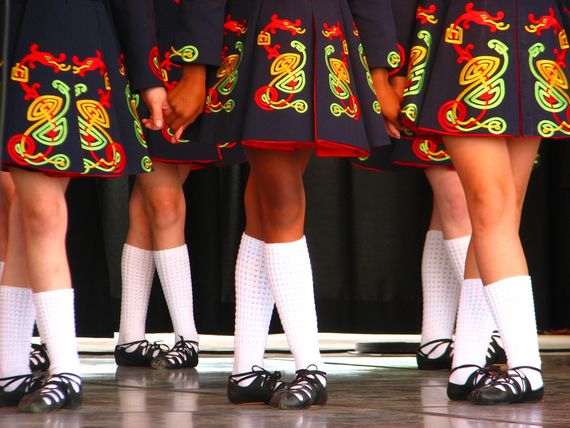

Irish dancers. (Getty Images)
Peter Power, Steering Committee, the NCFA (National Campaign for the Arts) said: "Basic Income for Artists is a landmark commitment by the government to invest in Ireland's arts industries, highlighting this government's commitment to contributing to stabilising the precarious working conditions faced by artists.
"Ireland can become a world leader through this unique scheme that ultimately benefits the whole of society through supporting our continued artistic excellence on the world stage.
"The NCFA cannot ignore the importance of this scheme in addressing the broader challenges faced by artists, including housing affordability and the need for sustainable career paths within the arts sector.
"The introduction of Basic Income for the Arts underscores the premise that Government investment in the arts yields myriad positive benefits to society from economic, health, mental wellbeing, education, societal cohesion, diversity, and inclusion, to creativity, critical thinking, innovation, entrepreneurship, global reputation and more. We look forward to its implementation and expansion to include all eligible artists and arts workers in the coming years."
Getty Images
Research from the pilot scheme collected clear evidence of the consistent, positive impact that the payment has across almost all indicators.
The Minister added: "The BIA pilot research has consistently demonstrated both the positive impact it has had on those in receipt of it and how difficult it is to work as an artist in Ireland given the income precarity prevalent in the sector.
"The successor scheme will help to sustain the careers of those artists who receive it and retain their talent in the arts sector. I encourage artists from all over the country to apply to ensure that those selected for the scheme represent the broadest range of artists practicing in Ireland today."
Guidelines outlining the detail of criteria and parameters for the scheme are currently being finalised and will be published in April. Following that, the scheme will open for applications in May and these will be assessed over the summer, with payment to selected artists beginning before the end of 2026.


Comments