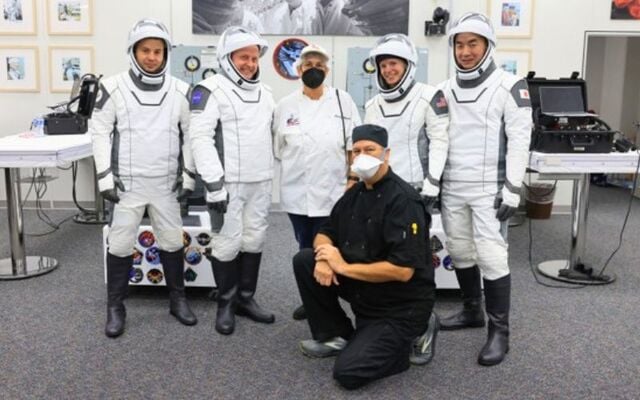
The chef tasked with cooking for the astronauts who have just performed a record-breaking trip around the Moon has revealed that, while he loves Florida, he hopes one day to settle in Co Kerry.
As Artemis II continued its return journey to Earth yesterday, Michael Slintak told how his job involved helping the astronauts prepare for their epic mission.
As a top chef in the Florida restaurant, The Backwater, he also works for the National Aeronautics and Space Administration, otherwise known as NASA.
However, he likes nothing better than coming over to Ireland during the summer to work in O’Connor’s guesthouse in Cloghane, on the Dingle peninsula, with which he has a family connection.
Mr. Slintak told The Kerryman newspaper that he has been visiting the county since back in the ’90s, most recently in 2024, and hopes eventually to buy a permanent home in the Brandon area.
"I fell in love with the area when I first came here. It was just so beautiful. I mean, it’s God’s country.
"It’s the people who keep me coming back," he said.
"They are so friendly there. On my days off, I’d walk back towards Brandon and meet all the farmers and chat away to them.
"The scenery too, though – you really can’t beat that. I really would love to move over there and buy a house," he said.
He admitted that his current job for NASA was "very cool."
View this post on Instagram
He and four other chefs are tasked with preparing and cooking all of the astronauts’ meals in the weeks before the rockets blast off on their various missions.
He said he had to cook healthy, light meals for the astronauts.
"They have to be very light because they’re going into space, so they have to watch what they eat," he explained. "There are a lot of salads, croissants and curry chicken."
Don't worry: space has mac and cheese.
Food aboard Orion must be easy to prepare and consume in microgravity, minimize crumbs, and remain safe and stable throughout the mission. The crew provided input well before the meals were packed for the test flight. pic.twitter.com/FLDaK9owYq
— NASA Artemis (@NASAArtemis) April 5, 2026
*This article was originally published on Extra.ie.




Comments