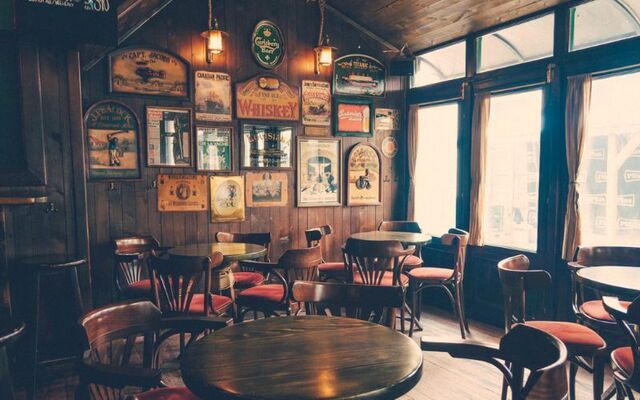
Irish pubs are not simply places to drink: they remain social hubs where storytelling, music, sport and old pub games continue to shape evenings across the country.
What has changed, however, is the way people move between traditional and digital forms of entertainment. A modern pub night in Ireland might still revolve around darts, card games or live music, but it now sits alongside second-screen habits, sports apps and even casual online gaming experiences that younger audiences dip into between conversations and match updates.
Why Irish pubs became cultural institutions
Long before smartphones or streaming platforms, Irish pubs functioned as informal community centres. In rural towns especially, the local pub was where people exchanged news, debated politics, celebrated family milestones and passed long winter evenings.
Games became part of that rhythm naturally. Darts leagues, cue sports and traditional card games offered structure to social gatherings without dominating them. Unlike modern entertainment designed for constant stimulation, pub games in Ireland were historically slow-paced and communal. The conversation mattered as much as the competition.
That balance still survives today, even if the atmosphere has evolved. For many overseas visitors, particularly those arriving from Britain, the appeal of a traditional pub lies in stepping away from modern digital habits. Back home, evening entertainment has become increasingly screen-based and solitary. A typical night in might revolve around streaming a new series on the sofa or logging into a UK casino platform for a quick game. The Irish pub environment offers a deliberate escape from that routine. It encourages people to leave the screens in their pockets and engage with the physical room, whether that involves watching a local dart league or simply joining the conversation at the counter.
The traditional pub games still thriving in Ireland
While the atmosphere of Irish pubs has evolved over the decades, many of the games once played around smoky wooden counters and quiet back rooms still remain part of everyday social life. Some survived through local leagues and family traditions, while others adapted naturally to younger crowds looking for more interactive ways to spend an evening out.
Darts and cue sports
Darts remains one of the most enduring pub traditions in Ireland. In smaller counties such as Clare, Mayo and Kerry, local leagues still attract players across generations. Snooker and pool tables are also common in pubs that cater more to locals than tourists.
One reason these games survived is their accessibility. A newcomer can join casually without disrupting the atmosphere, which helps maintain the inclusive nature Irish pubs are known for.
Cards and quiz nights
Card schools remain popular in parts of rural Ireland, particularly among older communities, while pub quizzes have evolved into a staple of urban nightlife in Dublin, Galway and Cork.
The best quiz nights succeed because they avoid becoming overly commercial. The strongest venues still prioritise humour, local references and conversation over flashy production.
Where to experience authentic Irish pub culture in 2026
Travellers looking for “real” pub culture often make the mistake of focusing only on famous venues in Dublin. While historic pubs certainly have value, smaller towns often offer a more authentic social atmosphere.
- Dublin: The Long Hall and Walsh’s in Stoneybatter remain strong examples of traditional pubs balancing tourism with local character.
- Galway: Tig Cóilí continues to attract visitors for traditional music sessions that feel organic rather than staged.
- Dingle: Foxy John’s combines a hardware shop and pub under one roof, a reminder that Irish pubs historically served multiple community functions.
Why younger generations still value pub culture
The prediction that digital entertainment would kill traditional pub culture has not entirely materialised. Instead, Irish pubs have adapted quietly. Younger audiences may spend less time in pubs overall than previous generations, but many still seek spaces that feel more personal than algorithm-driven social media feeds.
That partly explains the renewed popularity of slower, more communal experiences such as live trad sessions, pub quizzes and local sports nights. Cultural authenticity continues to rank highly among younger travellers visiting Ireland. In practice, that often means looking for places where conversation still matters more than spectacle.
Irish pub culture still feels timeless
Irish pub culture has survived because it never depended entirely on nostalgia. The setting may look traditional, but the experience constantly adapts to changing social habits. A pub in 2026 can still host a quiet card game beside live sport and spontaneous music sessions without losing its identity.
That balance between old rituals and modern habits is precisely what keeps Irish pubs culturally relevant, not as museum pieces, but as living social spaces that continue to evolve with every generation.



Comments