The landmark census, the first ever conducted by the Irish Free State, went live online over the weekend with the National Archives reporting that it received 4 million hits in the first 12 hours alone.
While thousands of Irish people have been using the records to trace their family trees, the census has also shone a light on a working Ireland that has all but vanished.
National Archives director Orlaith McBride said the team was fascinated by the range of trades that no longer exist.
"We have umbrella fixers," she told the Irish Times. "We have a crier to the high court. We have weavers and hand knitters along the west coast, really speaking to a very different time. We have rabbit trappers."
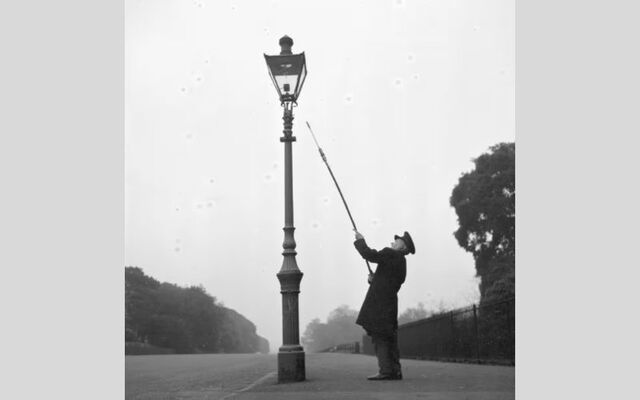
Other roles captured include lamplighters, hosiery makers, and biscuit and biscuit-wrapper makers at the old Jacob’s factory on Bishop Street in Dublin, the very building where the National Archives is now based.
The records paint a picture of a country where over half of all workers were employed in agriculture, with 14% in manufacturing and 7% recorded as domestic servants.
The census recorded a total population of 2,971,992, a drop of 5.3% from the 1911 Census, reflecting the toll of emigration, the First World War, the War of Independence, and the Civil War.
The full census, comprising over 700,000 household returns, is now freely available and fully searchable on the National Archives website here.
You can search by name, county, or townland at NationalArchives.ie.
* This article was originally published on Extra.ie.


Comments