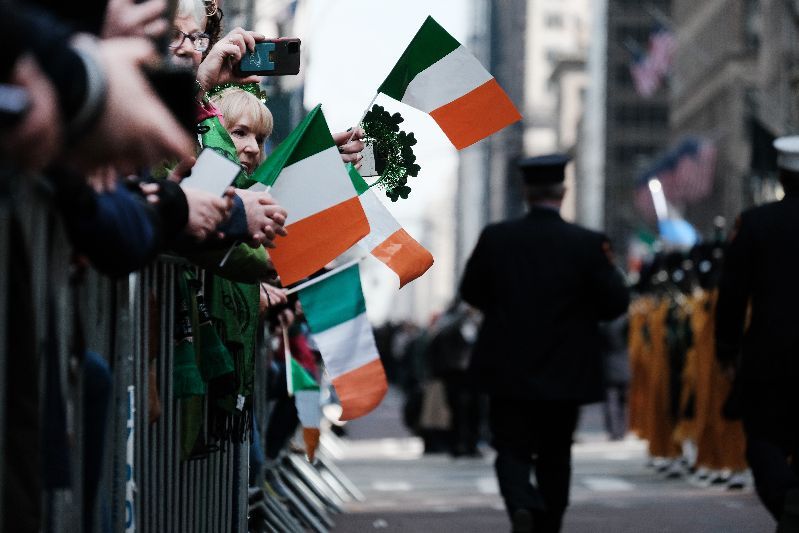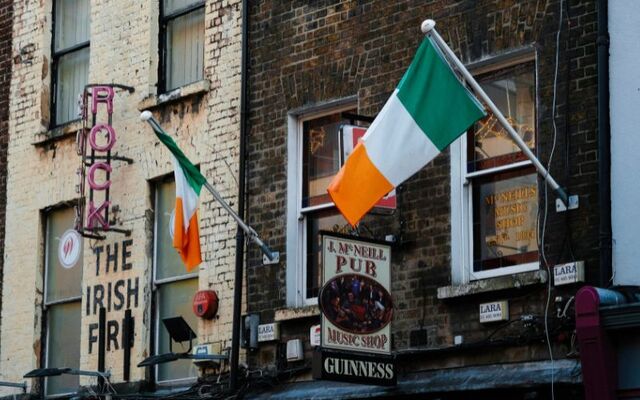
You still picture it easily. A pub, a match on, someone arguing over a call, someone else heading to the bar. That has always been the centre of it. These days, some of that same energy shows up elsewhere. Not instead of it. Alongside it.
We spoke to Jemma McColgan, Managing Editor at Casino.org, about what she’s seeing from inside the industry, and what it says about how Ireland is changing.
Ireland’s Social Habits Still Sit at the Centre
Q: Ireland has always had a strong social culture rooted in pubs and sport. Are you seeing that behaviour change, or just move into different spaces?
McColgan: I wouldn’t say it’s changing in the way people think. You’re still dealing with the same cultural instincts. People want something to follow, something to react to, something to talk about afterwards.
What’s different is where it happens. You might still end up in the pub for a big match, but there’s a lot happening around that now. You’re checking things on your phone before you even get there. You’re looking at updates during it.
But link to tradition is still strong. There’s a reason things like traditional Irish pubs and songs and recipes travel so well.
Digital Habits Mirror What Came Before
Q: What does that look like when people move from physical spaces into digital ones?
McColgan: The way people engage with betting and gaming becomes more flexible. You’re not setting aside a full evening in the same way you would for a match or a trip to the pub. You pick up your phone, check a few things, leave it, then come back later. It fits into whatever else you’re doing.
Mobile has pushed that along quite a bit. Across Europe, about 58% of online gambling activity now happens on mobile, with the rest on desktop. Gambling is not tied to a place anymore.
You can see the same thing in Ireland. More than 100 betting shops have closed in recent years, but interest hasn’t gone anywhere. People are still following the same things, just through a different channel.
Comparison Has Become Part of the Routine
Q: When people engage digitally, they also seem to compare options more. Is that something you’re seeing?
McColgan: Yes, that’s probably one of the bigger changes. You don’t really settle on one option and stick with it out of habit anymore. You look around. You check what’s available. You decide from there.
That’s where those comparison pages come in. On Casino.org, you’ll find rankings of online casinos in Ireland that lay everything out in a way that’s easy to scan. You can see what’s on offer, how quickly things pay out, what the experience is like. It gives people a way to make a decision without guessing.
It’s not unique to this space either. You’re doing the same thing when you book a flight or pick a place to stay. It’s just become second nature. People are used to having that information in front of them.
Regulation Is Catching Up With Behaviour
Q: Ireland is going through regulatory changes. How does that affect how people interact with these platforms?
McColgan: It gives the whole thing a bit more structure. The Gambling Regulation Act of 2024 sets out how the industry is meant to operate, from licensing through to oversight.
From a user point of view, it’s more about knowing there’s a system behind it. You’re not dealing with something that’s just grown without any checks. There’s a framework there now.
It also brings in things around responsible use. Limits, tracking, that sort of thing. That reflects how common this has become. It’s part of everyday life for a lot of people, so it needs that level of attention.
Irish Identity Is Still Strong in the Background
Q: There is still a strong push to preserve Irish identity and language. How does that sit alongside digital growth?
McColgan: There’s real interest in keeping that identity visible. At Queen’s University Belfast, almost all students backed stronger Irish language rights.
So even with everything moving onto screens, people are still holding onto those parts of Irish life. Language, food, the shared habits that make Ireland, Ireland. They’re not being replaced. They’re just sitting alongside everything else that’s come in.
The Next Phase Feels Familiar, Just Faster
Q: Looking ahead, where does this go next for Ireland’s entertainment culture?
McColgan: It becomes part of the background of the day. You don’t think about it as a separate activity in the same way. It’s just there when you want it.
You’ll still have the big moments. Matches, nights out, all of that. But around that, there’s a constant layer of smaller interactions. Checking something quickly, coming back to it later, keeping up with it in between other things.
That’s probably the main difference. The behaviour itself hasn’t really changed. It just fits into more places now than it used to.
Key Takeaways
You can still see the old version of Irish life: The pub, the blather, the shared moments with friends and family. That hasn’t gone anywhere. Digital tech has just enabled people to connect more conveniently, and that is as true for family group chats as it is for going to take a punt.