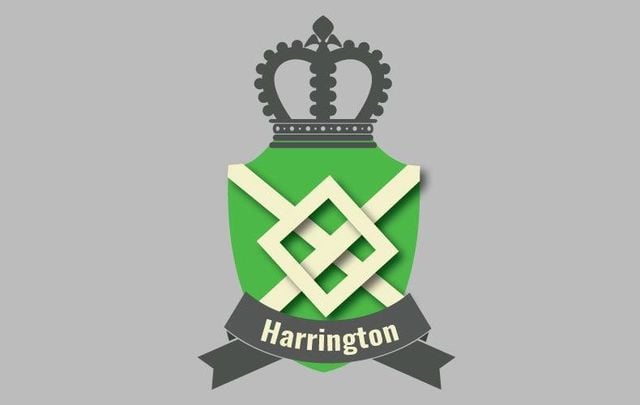
Everything you need to know about the Irish surname Harrington.
Over 70 million people worldwide claim to have a link to Ireland through their ancestry. It's incredible to think of the power of the Irish diaspora and how many people right now are on their journey searching out information on their family name.
Sometimes all you have to start with is your name! So let's get started.
The Harrington clan
Irish derivation:
Ó hArrachtáin, Ó hIongardail, later Ó hUrdáil, Ó hOireachtaigh
Name meaning:
"Descendant of Arrachtán," meaning "mighty" or "powerful".
Counties associated with the name Harrington:
Coat of arms motto:
"Nodo firmo", meaning a tight knot
A short history of the name Harrington:
The name Harrington, in Ireland, was adopted as an Anglicized form of Gaelic Ó hArrachtáin "descendant of Arrachtán", a personal name from a diminutive of arrachtach meaning "mighty" or "powerful".
In County Kerry, Harrington was adopted as an Anglicized form of Gaelic Ó hIongardail, later Ó hUrdáil, meaning "descendant of Iongardal".
Harrington was also used in Irish as a reduced Anglicized form of Gaelic Ó hOireachtaigh "descendant of Oireachtach" a byname meaning "member of the assembly" or "frequenting assemblies".
Interesting facts about the name Harrington:
Typically when the name is spelled as "Herrington" it is presumed to be a name of non-Irish origin.
Some famous Harringtons:
- Leland Kitteridge "Hago" Harrington (1903-1959, former Hockey Player)
- Betty Jean Maycock Harrington (1942-, former US Olympic Gymnast)
- Wilfrid Harrington (1927-, Irish Dominican Priest)
- Richard Harrington (1975-, Welsh Actor)
- John Harrington (c. late 1930s, former CEO of the Boston Red Sox)
- Padraig Harrington (1971-, professional Irish golfer).
Looking for more on your Irish surname? Visit our Irish clans and surnames page here.
* Originally published in 2016. Updated in September 2024.


Comments