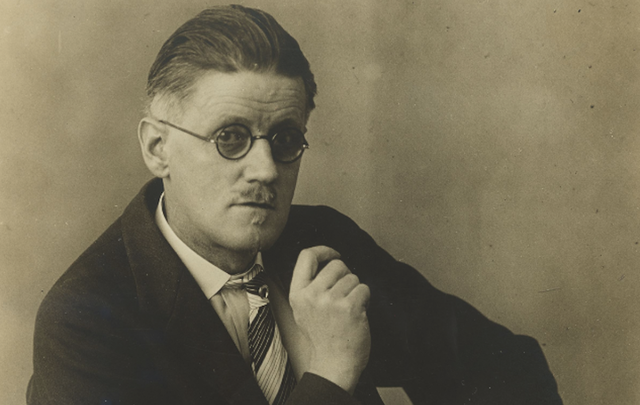
Everything you need to know about the Irish surname Joyce - its meaning, origins, interesting facts, and famous people with the last name Joyce.
The surname Joyce holds a significant place in Irish history and culture. Over the centuries, the Joyce family name has traversed time, leaving an indelible mark on Irish heritage.
The origins of the Joyce surname can be traced back to the Gaelic language, where it is derived from the name "Seoighthe." This Gaelic name translates to "choice" or "select," highlighting the esteemed reputation associated with the Joyce family. The Joyces were originally an influential clan from Connacht, a province in western Ireland, particularly prominent in County Galway.
The Joyce clan rose to prominence during the medieval period and played a pivotal role in the region's politics, economics, and culture. Their stronghold was centered around the village of Ballynahinch, in County Galway. The Joyces were recognized for their strong leadership, military prowess, and unwavering loyalty to their homeland.
Joyce name meaning:
Some scholars believe the name is derived from the French ‘Joice’, meaning ‘joy’.
Counties associated with the name Joyce:
Galway and Mayo.
Joyce coat of arms motto:
“Mors aut honorabilis vita” An honorable life, or death.
Interesting facts about the Irish family name Joyce:
Though not Gaelic and sometimes found in England of non-Irish origin, Joyce may certainly be regarded as a true Irish name, and more particularly a Connacht one.
Read more
Some famous Joyces:
- James Joyce (1882-1941, famous Irish poet, novelist, playwright, and author)
- Brenda Joyce (1963-, American novelist)
- William Joyce (1957), American author, illustrator, and filmmaker)
- Alice Joyce (1890-1955, actress during the Silent Film Era)
- Michael Joyce (1951-, founder of Cinema Production Company Services Incorporated)
- Matt Joyce (1972-, former NFL tackle)
- Matt R. Joyce (1984-, MLB outfielder)
Are you a Joyce? Done some family research on your name? Let us know what you've found, or just say hello to your fellow Joyces, in the comments section below.
* Originally published in 2019, updated in 2026.



Comments