It was all going so well wasn’t it? The power-sharing executive had not only succeeded in running the full term but also being re-elected with a strengthened mandate. So encouraging was the environment that it left room for old enemies to embrace as Martin McGuinness met Queen Elizabeth in June 2012 and Peter Robinson made major speeches arguing for a closer relationship with the Irish government along with seeking to encourage Catholics to vote for his Democratic Unionist Party. The Northern Ireland problem it appeared had been solved for good.
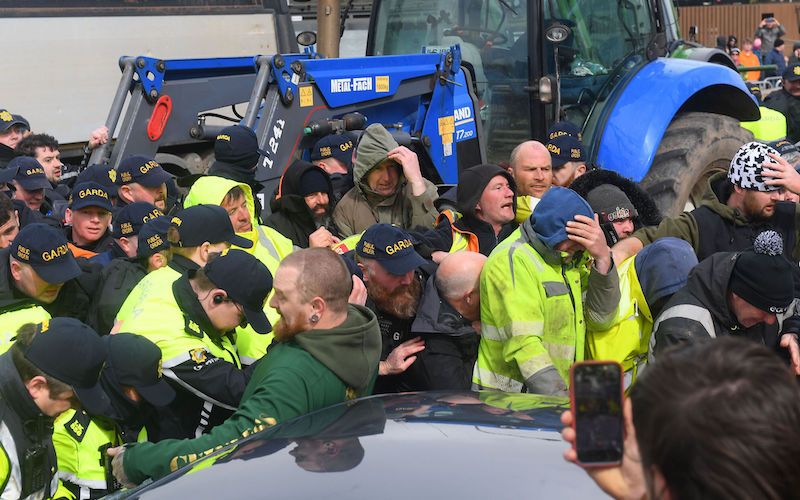
That illusion was abruptly shattered in the aftermath of the decision by Belfast City Council to stop flying the Union flag 365 days a year, opting instead for designated days such as birthdays of members of the royal family. That was five weeks ago and numerous riots, £22 million of damage/lost revenue later the protests still seem to have no end in sight. But how can people be so worked up over a flag, I hear you say. Like all symbols it’s not the flag itself but what it represents that loyalists are protesting about.
Read more: Fascist groups now seen as behind Northern Ireland flag clashes
Since the signing of the Good Friday Agreement in 1998, the feeling has developed among many in working class Protestant communities that the peace dividend that was supposed to come from the agreement has passed over their communities. Take a look at education, currently only 1 in 10 Protestant teenagers from working class communities go on to university. In fact in nearly all educational attainment figures, Catholic children from similar backgrounds outperform their Protestant counterparts. So why does this matter? If you look at any footage of rioters one of the immediate components that will catch your eye is that many of those committing violence are young. We have seen countless examples around the world were educational underachievement simply breeds situations such as the one that Belfast is experiencing at the moment. The fact that after five years Northern Ireland politicians cannot find agreement over how to reform the education system merely compounds this problem.
The failure to tackle educational underachievement is only one part of this story. For years loyalism has been in the grips of an identity crisis as it has struggled to define itself within a rapidly changing Northern Ireland. The city of Belfast, once a bastion of Unionist support, is now at council level without a Unionist majority. The Progressive Unionist Party, which was seen as the main representatives for the Loyalist community, lost their only seat in the Northern assembly in the 2011 election. All these changes happen while they see Sinn Fein increasing their support across Ireland and gaining in confidence as they drive their agenda forward while Loyalists feel left on the side of the road.
The sense of political isolation is not helped by many of the Unionist politicians. Since this whole crisis began neither Robinson nor the Ulster Unionist leader, Mike Nesbitt, have gotten ahead of the curve on this issue. What the electorate have been treated to is a mix of knee jerk responses and confused statements from members of their parties. Both men have set up a Unionist forum to look into the grievances that the protestors are highlighting. Yet this must in reality only compound rather than alleviate the sense of drift and lack of leadership that exists within that community. The misguided desire for a coherent Unionist response to this crisis is part of the problem not the solution. Political leaders on both side of the divide need to climb off of grand visions of Northern Ireland and start addressing real concerns that are the real driver of this problem.
Read more: Northern Ireland police boss apologizes to nationalists for loyalist riots
But what about the protesters, since this entire saga began there is still no coherent agenda coming from the various leaders of the loyalist community? We have seen demands for the abolition of the executive to an apology from the Irish government over the failure to tackle the IRA during the Troubles. We are five weeks into this debacle and I still do not know what the protester's endgame is. What needs to happen now is some coherence and sense of purpose needs to be established by the Loyalist community in actually recognising what they want and use the political process to achieve it. While these protests may be useful in keeping their base motivated, it is eroding support among the rest of the population who are becoming increasingly fed up at either being blocked from returning home from work or seeing their businesses suffer as people stop venturing into the city centre. The Loyalists now have a clear choice they can either be at the table or they can end up on the menu.
David McCann is a PhD Researcher at the University of Ulster looking at Irish Politics. Follow him on Twitter @dmcbfs.
Comments