
There’s something distinctly beautiful about Christmas in Ireland.
While walking down the busy shopping district of Grafton Street, you’re more likely to hear a melancholy pan flute version of "Carrickfergus," or a squeaky busker’s violin solo of "Danny Boy” floating about the cold streets than one of those hackneyed, tiresomely cheerful Christmas songs.
I’ve seen the famed holiday displays in the windows of Saks Fifth Avenue, and experienced the madness of a midtown Macy’s run far too close to the big day, but this year, I found myself pausing to take in all of the beauty in this year’s Brown Thomas Christmas window display.
While I stood there taking in the view – depictions of different scenes from old Irish folk tales – a little girl came up to stand beside me, also mesmerized by the figures on the other side of the glass.
“What’s that?” she whispered to her mother, as though she thought speaking too loudly would disturb the peace inside the magical world at which we gazed.
The scenes inside the windows exhibited wholly expected holiday trimmings – glittered ornaments and glossy baubles in every shade on the Christmas color wheel – and, they were most certainly advertisements for pricey apparel, but they contained items of much deeper significance: Irish culture, and perhaps even, pride.
In one window, a long-haired man with an expensive coat wore a braided Celtic rope around his head; he was embraced by a woman with hip-length strands of wavy red locks and a whimsical floor-length dress, reminiscent of ancient Irish noble past.
The next window exhibited the story of Niamh and Oisín, in the fabled fairy-land of Tír na nÓg. On the back of a giant horse made of mistletoe, with hair made of glitter, the couple sat: a man wearing an expensive winter coat rested beside a woman in fluffy black heels and bedazzling black-and-gold laced tights, holding a diamond-studded clutch.
I was impressed by the modern visual interpretation of this old story, but taken by the words below it:
“Niamh told them it was a land of youth, a happy place with no pain or sorrow, where wishes come true and no one grows old.”
I looked around me at the cold, hunched over figures wrapped head-to-toe in layers of fabric looking into those windows, with a song about “happy times we spent so long ago” gently playing upon their ears. They looked like they had been, if just for a moment, transported to a different, and less depressing place.
Maybe at a time like this, Ireland needs a reminder of the glories of long ago.
In a time of recession, crippling national debt and staggering unemployment, with no end to the troubles in close sight, old Irish songs and stories whisper in the ears of citizens about the hope against all odds their ancestors carried with them, and indubitably passed on to them.
There is something to be said for a pride in a national culture.
It’s an unusual concept for me as an American. We are a nation of immigrants, so our national identity is essentially a celebration of the multitudinous cultures people have brought from other lands.
So, walking along Grafton Street, and seeing the wonder in a child’s eyes, as she looks at the window display of these ancient Irish creatures and learns that they are elements of her culture, her national identity, and indirectly, part of her very own being, is a fascinating occurrence.
I’ve always cherished the ambiguity of my national identity (after all, how many countries have “Multilingual Anthologies” of national literature?) but, as I saw all of the “Nollaig Shona Dhuit” signs sparkling around town amid strands of icicle lights, I realized that having a unique national culture is really a thing of beauty.
And Irish culture abounds in Dublin.
Every day, I hear about a new band, a new musical venture, or about some collaboration of skilled artists who’ve come together to express themselves artistically. I spent an hour poring over the children’s section in a bookstore this week, just reading volumes of fascinating Irish fables. Every time I walk into a bookstore in Dublin, I feel my heart skip a beat as I prepare to find yet another vast and enchanting Irish literature section.
What was it about this city that artists, and especially, writers, have found inspiring for centuries?
I came upon a rare interview with James Joyce in a literary journal this week; it was a rather uneventful one with a Czech Poet, but the poet mentioned the importance of Joyce’s hometown to his work.
“Each of my books is a book about Dublin,” Joyce said, of the city he left in his twenties, and ultimately never saw after the age of 30. Imagine defining your entire life’s work as being “about” just one city.
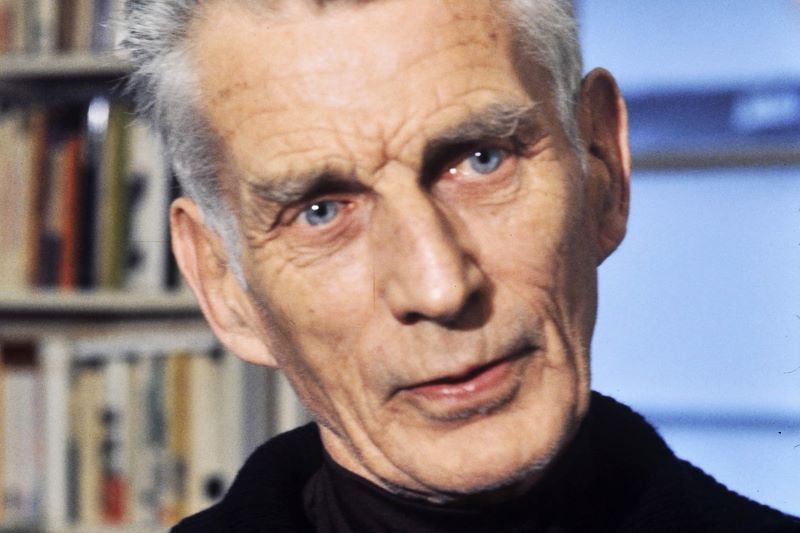
Patrick Kavanagh wrote his beloved “Raglan Road” right there on a bench along the Liffey; Trinity College trained some of the world’s greatest writers, including Thomas Moore, Oscar Wilde, and Samuel Beckett, among several others.
Even Dublin’s street signs are littered with the likes of literary greats.
When we first arrived here, I remember listening to a cab driver shout into a cell phone to someone in the office about how to bypass James Clarence Mangan Street. I couldn’t help but smirk to myself and then mentally drift off into his most beloved poem, “The Nameless One.”
In many ways, an appreciation of Irish culture is the very life-blood of Dublin city, and that which, I believe, will help its citizens carry on through the darker days.
One of the window-display stories on Grafton Street told the cruel fable of the Children of Lir, whose jealous stepmother turned them all into swans in order to be the sole object of her husband’s affections.
The storybook display reads: “They took shelter and continued to make such beautiful music that the birds from all other Western Islands flocked there to listen to them.”
Maybe I’m like one of those birds from another Western island; Ireland’s music is too beautiful to keep me from holding my ear close, hoping to hear as much of it as possible before I return home.
This may be one of my last weeks in Ireland.
Last year, on a reporting trip to the Burren with 16 graduate students, one of my students observed me as I took in the view from a hill, and said, “Mary, you are going to live here some day. I know it.”
I shrugged off the thought as far too magical to even contemplate, too big a move, and, in my relatively comfortable position surrounded by family, friends, and work in NYC, probably not a realistic idea. But I’ll always remember getting back onto our tour bus, and then, looking out the window at the green grass-and stone fields passing by me, wishing that someday, fate would prove her right.
It did. And I’ve lived and learned much in my year and a half on Irish soil.
As a person who enjoys writing, I couldn’t have asked for time in a land with more inspiration; as a musician, I couldn’t possibly have found location with a richer musical landscape; as a human being, I couldn’t have asked for better people to spend the past year and a half of my life with; so whatever the future brings, I’ll remember to be thankful for all of that this artful island has given me.

Comments