
During the tremulous time following the 1992 general election, the embattled Taoiseach Albert Reynolds was handed a lifeline. With his grasp on power hanging in the balance, Reynolds went to an EU summit in Edinburgh at the end of that year and secured £8billion in European structural funds. Even his most optimistic supporters were expecting something closer to six. Emboldened, Reynolds told his press secretary, “Now watch me put a government together”.
That money was not only was an instrumental element in keeping Reynolds in power, it also became a vital element of policy. In the years since 1992, all manner of capital projects have the EU’s starry prints all over it. From the Luas and the M50 to research facilities and local enterprise boards, and whether it’s widely known or accepted or not, the EU’s structural funds helped build an entire national infrastructure.
Small wonder then that the EU’s Open Days event, run by the Directorate General for Regional Policy, is such a big draw. It’s the single biggest event the EU hosts every year, with thousands of interested parties coming from every townland in Europe. This year, I was one of them.
A couple of things struck me from the start. First, structural funds may not be the silver bullet they once were, both because of relative year-on-year improvements and the banking cataclysm, but they’re still vital as a means of realising key investments. The second thing I found striking was how clear the focus was on what those key investments would be: emerging business and research. It may have been roads in the past, but from here on in, it’s SME and R&D.
There were other talking points and debates that ran through the week. “Macroeconomic conditionality” became the unlikely catchphrase of the whole event, with a strenuous debate revolving round whether sanctioning regions or countries that don’t use their funds properly would disproportionately affect the poorest countries who needed the money most. Then there was the issue of credit. For once in a European context, we weren’t referring to the debt kind.
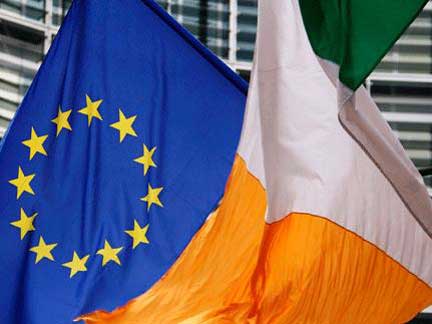
Often, money distributed to the respective government departments of Europe is appropriated as such. Since any structural fund money has to be matched by national governments, the European influence can often be underplayed or lost altogether. In a time when passive Euroscepticism is becoming more and more fashionable, the way the EU asserts itself in this regard is becoming more and more important.
Plenary sessions and debates aside there were also a host of seminars where people could showcase the ways they used their funding. One particularly interesting session involved Holland and its approach to tackling youth unemployment, the scope of which puts our own much-maligned Job Bridge to shame.
Over the next weeks I’ll be considering the finer points of some of the issues brought up in Brussels, and with the announcement in the last week of The Gathering in 2013, it’s important to balance the relationship with our friends within and without Europe. Being close to Boston doesn’t mean we have to ignore Berlin.

Comments