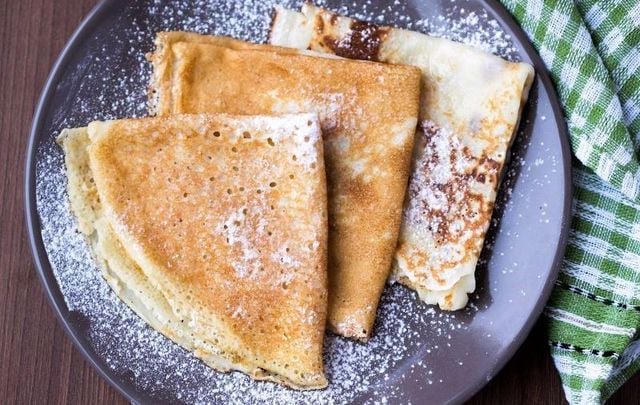
Whatever you do, make your pancakes just like the Irish do this Shrove Tuesday ... or Mardi Gras ... or Carnival ... or Fat Tuesday ... or just plain old Tuesday, March 4!
The day before Ash Wednesday is known by many names: Mardi Gras, Carnival, Fat Tuesday, and Shrove Tuesday.
Generally, before the penitential season of Lent, we enjoy one last day of feasting. On this day, medieval Christians used up their eggs, butter, and milk – all of which were forbidden during Lent – by making pancakes and pastries.
We take a look at the traditional Pancake Day as we celebrate the newer version taking place today.
What is Pancake Day?
Pancake Day, the day before Ash Wednesday and the start of Lent in the Catholic tradition, is also known as Shrove Tuesday in Britain. The term 'shrove' derives from the old English word "shrive," meaning 'confess all sins.'
It is called Pancake Day because it is the day traditionally for eating pancakes, as pancake recipes were a way to use up any stocks of milk, butter, and eggs, which were forbidden during the abstinence of Lent.
The earliest records of pancakes and pancake tossing date to the 15th century, when pancakes were slightly thicker than modern pancakes; they were often also topped with spices for a little decadence. It wasn’t until the 18th century and the influence of French cooking and their thin crepes that pancakes were more as we know them now.
Pancake Tuesday's ancient traditions
‘Shroving’ was a custom in which children sang or recited poetry in exchange for food or money. ‘Lent Crocking’ was one of the many customs of the day when children would pass from house to house asking for pancakes. If they weren't given any, broken crockery would be thrown at the door!
Other customs and superstitions included the belief that the first three pancakes cooked were sacred. Each would be marked with a cross, and then sprinkled with salt to ward off evil spirits, and then set aside. Hence, the hot-crossed buns we remember from our childhood.
In Ireland, Irish girls were given an afternoon off to make their batter and the eldest, unmarried girl would toss the first pancake. Success meant she would be married within the year.
In Scotland, special oatcakes called Bannocks were made using oatmeal, eggs, and salt and cooked on a griddle. A charm would be added to the dough and if an unmarried person found it, they would be married within the year.
Wales also had their own customs where people would pass from door to door begging for flour, lard or butter. In some parts of Wales, children would kick tin cans up and down the streets, believed to be commemorating putting away the pots and pans for Lent.
In other parts of the world, Shrove Tuesday is celebrated differently. In New Orleans, it's marked with Mardi Gras and in Rio de Janeiro with the equally raucous Carnival.
Irish pancake recipe for Shrove Tuesday
Get your griddles ready (Getty Images)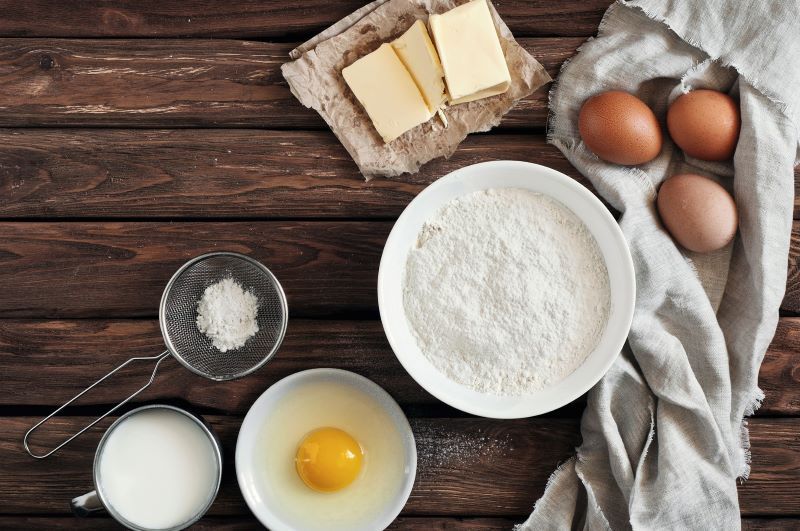

Ingredients:
- 8oz all-purpose/plain flour
- Pinch salt
- 2 eggs
- 2½ cups milk
- 2 tsp melted butter plus melted butter for cooking
Method:
Makes 12 pancakes
Sieve the flour into a large baking bowl, add the salt. Make a well in the center of the flour and add the eggs and beat well until smooth and lump-free.
Add half the milk and the 2 tsp of butter, and beat well. Add the remaining milk and stir.
Leave the batter to rest for 15 minutes.
Lightly grease a pancake pan or frying pan with a little melted butter, heat until very hot and add a ladle of batter to evenly and thinly coat the base of the pan. Cook until set and lightly golden. Flip over (if you are really brave, try tossing the pancake in the air, great fun) and cook on the other side for approx 30 seconds.
Remove the pancake from the pan, place on a sheet of kitchen paper and keep warm. Continue as above until all the batter is used up.
To Serve
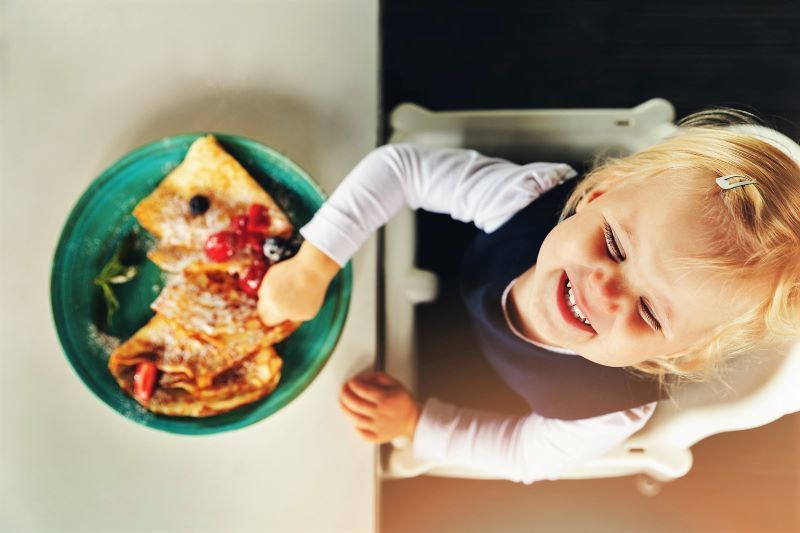
Enjoy your pancakes! (Getty Images)
On Pancake Day, pancakes are traditionally eaten sprinkled with sugar and a squeeze of lemon. However, serve as you like with jam, Golden Syrup, honey, chocolate spread ... whatever takes your fancy!
AND FINALLY…
A mother was preparing pancakes for her sons, Kevin 5, and Ryan 3.
The boys began to argue over who would get the first pancake.
The mother saw the opportunity for a moral lesson.
"If Jesus were sitting here, He would say, 'Let my brother have the first pancake, I can wait.'"
Kevin turned to his younger brother and said, "Ryan, you be Jesus!"
*Originally published in 2011, updated in 2026.
Comments