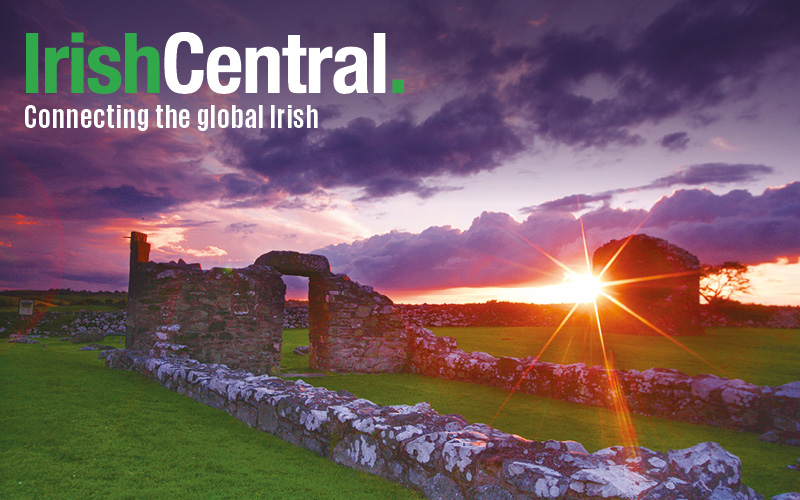
May is shaping up to be an eventful month around Ireland.
Check out some of these events coming up for the month of May.
April 4 - May 6 2012
Strokestown International Poetry Festival
Readings from internationally known poets in beautiful Strokestown Park House. Poetry competitions in English, Irish and Scots Gaelic, and witty topical verse. Pub poetry and poetry workshops. All events are free.
Location: Strokestown, Co. Roscommon
Telephone: +353 (0)87 2361794
May 1 - 31 2012
Bealtaine Festival Sligo 2012
Festival celebrating creativity in older age. Throughout May hundreds of older Sligo people partake in the wide range of creative pursuits from dance to cinema, painting to theatre and song to storytelling.
Location: Sligo Town, Co. Sligo
Telephone: +353(0)719111826
May 1 - 13 2012
Waterford International Music Festival
The Waterford International Music Festival is a celebration of what’s best about music, from popular musicals to soulful gospel and alternative sounds. Formerly known as the Waterford International Light Opera Festival.
Location: Waterford City, Co. Waterford
Telephone: +353(0)51849641
May 2 - 6 2012
Cork International Choral Festival
Experience the best in vocal music with a packed programme that brings the harmonious tones of over 4,000 voices to bars, galleries and civic spaces around the city each May Bank Holiday weekend.
Location: Cork City
Telephone: +353 (0)21 4215125
May 2 - 7 2012
Roscommon Lamb Festival
The Roscommon Lamb Festival is a celebration of family fun, great food, farming, crafts, heritage and community spirit in County Roscommon which takes place from the 2nd to 7th May, 2012.
Location: Roscommon Town
Telephone: +353 (0)90 6488292
----------------
Read more:
Irish president Michael D Higgins asks for Irish American support for Ireland
Irish government to give full legal status to Pagan weddings
----------------
May 3 - 7 2012
Fleadh by the Feale
Live street entertainment and traditional celebrity concert which includes the famous Bone Playing Competition, music workshops and traditional music competitions for all ages.
Location: Abbeyfeale, Co. Limerick
Telephone: +353 (0)68 51722
May 3 - 7 2012
Drogheda Arts Festival
Innovative, stimulating and welcoming, Drogheda Arts Festival has a growing reputation for quality arts performances and exhibitions which attract thousands of visitors to the town over the May Bank Holiday weekend.
Location: Drogheda, Co. Louth
Telephone: +353(0)419876100
May 3 - 7 2012
Féile na Bealtaine Arts Festival
The 18th year of this multi-disciplinary festival of arts and cultural activities. The central theme of the 2012 festival is Tom Crean's Antarctic Explorations - an event that promises to broaden and extend your horizons.
Location: Dingle, Co. Kerry
May 3 - 7 2012
Féile Oriel, Fiddler of Oriel Festival
A festival of Irish traditional music, song and dance with concerts, recitals, outdoor performances and over 25 sessions, a late night festival club, street theatre and the Fiddler of Oriel Competition.
Location: Monaghan Town, Co. Monaghan
May 3 - 12 2012
Drogheda Fringe Festival
The festival features acts and events from many different disciplines and includes music, poetry, comedy, art and drama in an action packed programme.
Location: Drogheda, Co. Louth
May 4 - 6 2012
Vantastival
A celebration of campervan culture and a top class music festival rolled into one. It is a family-friendly festival with live music stages, campervan activities, kids' activities, food & craft stalls and more.
Location: Dundalk, Co. Louth
May 4 - 6 2012
Connemara Mussel Festival on the Renvyle Peninsula
A celebration of Killary Mussels harvested from “One of the Forty Places to See Before you Die” takes place from the 4th to 6th May 2012, on the glorious Renvyle Peninsula in North Connemara.
Location: Renvyle, Co. Galway
Telephone: +353 (0)95 43499
May 4 - 7 2012
Ballydehob Jazz Festival
A weekend of large and small concerts and workshops that celebrate Jazz. 2012 will feature Camille O' Sullivan and Paddy Cole among many other artists.
Location: Ballydehob, Co. Cork
Telephone: +353(0)863050598
May 4 - 7 2012
Fleadh na gCuach - The Cuckoo Festival
Fleadh na gCuach (The Cuckoo Festival) takes place annually in Kinvara on the May Bank Holiday weekend - 4th-7th May, 2012. It is a hugely enjoyable and successful traditional music and community-based arts festival.
Location: Kinvara, Co. Galway
Telephone: +353(0)879937187
May 4 - 7 2012
Limerick Riverfest
Riverfest showcases and celebrates all that’s great about Limerick City – highlighting and revelling in art, culture, music, sport and food.
Location: Limerick City, Co. Limerick
Telephone: +353 (0)61 400200
May 4 - 7 2012
Music in Drumcliffe
Music In Drumliffe with Vogler Quartet and Guests, St Columba’s Church, Drumcliffe, Sligo. A Chamber Music Festival
Location: Drumcliffe
Telephone: +353(0)15059582
May 4 - 7 2012
Kilkenny Rhythm and Roots Festival
Ireland's longest running celebration of roots music, this festival features a mix of up and coming and established artists in venues throughout Kilkenny city.
Location: Kilkenny City, Co. Kilkenny
Telephone: +353 (0)56 7763669
May 5 - 6 2012
Festival of the Fires
A rekindling of Ireland's oldest recorded festival, Bealtaine, this iconic cultural event features a signature fire parade, family events, heritage trails, healing fields & the best in arts, crafts, music & food.
Location: Mullingar, Co. Westmeath
Telephone: +353 (0)90 6436175
May 5 - 7 2012
Maritine Matters Music festival
This 2 day festival showcases the rescue services, fun for all the family, Hook Strongman Challenge, local crafts, local food, live music with some of Ireland’s hottest bands.
Location: The Hook, Co. Wexford
Telephone: +353(0)51397055
May 5 - 7 2012
Blarney Castle Vintage & Classic Car Festival
Vintage & classic car festival with music and entertainment for all age groups, on the grounds of Blarney Castle Estate.
Location: Blarney, Co. Cork
May 6 2012
Family Fun at Waterford & Suir Valley Railway
For a fun family day out this May visit the Waterford & Suir Valley Railway to meet all your friends will be at Kilmeadan Station
Location: Kilmeaden, Co. Waterford
Telephone: +353 (0)51 384058
May 7 - 20 2012
9th International Dublin Gay Theatre Festival
The world's largest festival of gay-related theatre, featuring the best international drama, comedy, dance, cabaret & more.
Location: Dublin City
May 9 - 13 2012
Baltimore Fiddle Fair
Traditional music festival with national & international acts and celebrating 20 years in 2012. Concerts, workshops, sessions etc. in a beautiful seaside village.
Location: Baltimore, Co. Cork
Telephone: +353 (0)86 3753380
May 11 - 13 2012
Sweets of May Set Dancing and Traditional Music Festival
Kerry Dancers' first Sweets of May Set Dancing and Traditional Music Festival is Co. Kerry's newest set dancing weekend, also featuring sean-nos dancing and traditional music sessions.
Location: Tralee, Co. Kerry
May 11 - 26 2012
Dublin Dance Festival
Celebrating the best of international and Irish contemporary dance with a diverse programme of live performances, films and special events at various venues.
Location: Dublin City
Telephone: +353 (0)1 679 0524
May 18 - 20 2012
Dylan Thomas Literary Festival
Dylan Thomas Literary Festival. Lectures from Andrew Lycett, John F Deane, Diarmuid Johnson and many more. Plus Eddie Lenihan for children.
Location: Ennistymon
----------------
Read more:
Irish president Michael D Higgins asks for Irish American support for Ireland
Irish government to give full legal status to Pagan weddings
----------------
May 18 -20 2012
SO Sligo Food Festival
A fun packed weekend for the whole family including the World Irish Stew Championship, Junior and Professional competitions, foraging walks, demonstrations, food village, street fun & music and of course, the best of local food.
Location: Sligo Town, Co. Sligo
Telephone: +353(0)861090675
May 18 - 20 2012
Burren Slow Food Festival
A three day celebration of local, artisan and organic food from Co. Clare with cookery demos, farmers markets, food talks, kid's events, BBQ, pig roast, Gala Dinner and lots more, all set in the beautiful Burren.
Date: 18 May 2012 To 20 May 2012
Telephone: +353 (0)65 7074432
May 18 - 20 2012
Aims Choral Festival
In its 28th year, this festival features adult competitions for choirs, barbershops etc. & junior competitions for choirs and soloists from all over Ireland. The weekend includes a Gala concert.
Location: New Ross
May 20 2012
Curragh Military Show
The Curragh Military Show includes re-enactments, a road-run through local towns, living history displays, re-creations of periods from military history & local and military history displays.
Location: Curragh, Co. Kildare
Telephone: +353(0)45442822
May 24 - 27 2012
Dublin City Soul Festival - a Celebration of Peace, Unity and Love!
Ireland's greatest feel-good festival celebrating the best music, art, food and fun with unique events for all the family. Experience the feeling with friends and family!
Location: Dublin City
Telephone: +353 (0)87 603 1022
May 24 - 27 2012
Corona Fastnet Short Film Festival
Innovative, digital, independent, different. A short film festival without a cinema, providing attendees with alternatives from a horse box to a micro cinema, a school bus to the village hall, pubs and restaurants use HD streaming and Wi-Fi.
Location: Schull, Co. Cork
Telephone: +353(0)851588309
May 24 - 27 2012
Wicklow Arts Festival
An early season gem of a festival on Ireland's East Coast with music, art exhibitions, literary events, comedy, lots of family entertainment and an outdoor artisan food and craft market.
Location: Wicklow Town, Co. Wicklow
May 25 - 27 2012
NPU Tionól (Uilleann Pipers' Gathering)Traditional Culture Festivals
Annual gathering for uilleann pipers featuring workshops, classes and recitals.
Location: Listowel, Co. Kerry
Telephone: +353(0)18730093
May 25 - 27 2012
Adare Village Festival
‘Féile na Máighe’ will be held in Adare Village, Co. Limerick, from Friday 25th May, to Sunday 27th May 2012. This is a revival of a festival that was held in the early 70’s in honour of the Maigue poets, featuring Adare, Croom and Bruree.
Location: Adare, Co. Limerick
May 25 - 27 2012
Wexford Food Festival
This year’s event is a three day festival with a tasty schedule of mouth watering events for culinary enthusiasts and children.
Location: Wexford Town, Co. Wexford
May 25 - 27 2012
Baltimore Wooden Boat and Seafood Festival
10th anniversary of the festival celebrating the traditional wooden boats of West Cork, Roaring Water Bay and beyond with gourmet food stands, live music, a boat-building competition and more.
Location: Baltimore, Co. Cork
Telephone: +353(0)868191123
May 25 - 27 2012
Life Music Festival 2012
Award winning multi-stage music festival with camping over 3 days. 200 dance and live artists from all over the world in a stunning setting.
Location: Mullingar, Co. Westmeath
Telephone: +353 (0)44 9349060
May 26 - 27 2012
Iniscealtra Festival of Arts
Arts festival featuring art displays and performances, workshops, music and entertainment, all held in the picturesque and family friendly village of Mountshannon on the shores of Lough Derg.
Location: Mountshannon, Co. Clare
Telephone: +353(0)872380555
May 26 - 27 2012
Taste of Carlingford
A two day celebration of fine food and drink set in the idyllic Medieval village of Carlingford.
Location: Carlingford, Co. Louth
Telephone: +353 (0)86 1973797
May 26 - 27 2012
ShakeFest 2012
A celebration of international dance and culture with a family fun day, dance workshops and demonstrations.
Location: Tullamore, Co. Offaly
May 26 - 28 2012
Waterford Festival of Architecture
The Waterford Festival of Architecture will celebrate the life of the city through its inhabitants and the built environment that animates Waterford's lively urban centre.
Location: Waterford City, Co. Waterford
Telephone: +353 (0)86 382 3300
May 30 - June 3 2012
Writers' Week
A literary festival devoted to all writers including workshops, lectures, readings, interviews, debates, competitions, book launches, art exhibitions and an extensive children's programme.
Location: Listowel, Co. Kerry
Telephone: +353 (0)68 21074
May 28 - June 4 2012
Happy Valley Festival - Thomastown
The Happy Valley Festival - a week long programme of music, theatre, visual arts, crafts and activities for all the family.
Location: Thomastown, Co. Kilkenny
Telephone: +353 (0)87 6210830
May 31 - June 4 2012
The Clancy Brothers Music and Arts Festival
Festival celebrating the legacy of the Clancy Brothers. It features a vibrant and diverse programme including, music, theatre, visual art, workshops, dance, street performance, family and children's events.
Location: Carrick On Suir, Co. Tipperary
Telephone: +353(0)51640200
May 31 - June 4 2012
Leixlip Festival
An exciting variety of international street entertainers, jugglers, stilt walkers, fire eaters, cartoon characters, fair rides, stalls, local musicians and a fantastic fireworks display on the banks of the River Liffey.
Location: Leixlip, Co. Kildare
May 31 - June 4 2012
Bloom
Bloom is Bord Bia's gardening, food and family festival taking place for the 6th consecutive June Bank Holiday weekend.
Location: Dublin City, Co. Dublin
Comments